

Nvidia Restores Jensen Huang After 11 Days Away as Shares Rebound 31.48%
Huang returned to his roles as president, CEO and board member after the company’s board reversed its earlier position. The return came alongside continuing inquiries, new compliance measures and questions about Nvidia’s reliance on its chief executive.
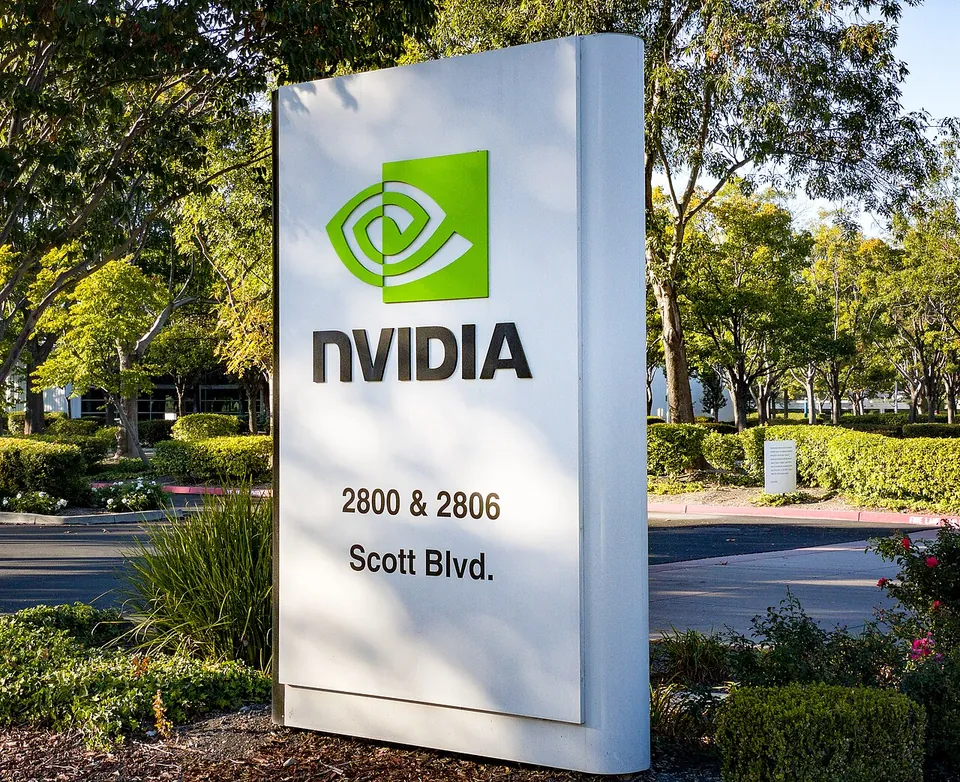
Huang resumed his roles after an absence of 11 days.4
Nvidia shares rose 31.48% on Nov. 23 and closed at 165.05美元.4
Before the return announcement, Nvidia shares had fallen 32.7% over two weeks.4
Story
A leadership reversal with investigations still underwayNvidia announced that Jensen Huang had resumed his positions as president, chief executive and board member after an absence of 11 days.4 The announcement followed a sharp movement in the company’s shares: they gained 31.48% on Nov. 23 and ended the day at 165.05美元.4 That rise came after a two-week slide of 32.7%, during which the share price moved from 186.64美元 on Nov. 6 to 125.53美元 on Nov. 20.4 A separate account put the market-value loss during the decline at about $2.6 trillion, a measure of the company’s value rather than the share-price percentage change.5
The two-week fall preceded the return announcement, while the reported one-day rise followed Huang’s return; the figures describe different periods and different measures.4 A supported account characterizes the rebound as following the earlier decline but cautions that reports use different ways to describe the preceding losses.4 The market figures therefore establish the sequence of a decline and a sharp daily increase, but do not by themselves explain why investors traded the shares.4 The reported market-value loss gives another indication of the scale associated with the fall, though it is not interchangeable with the percentage decline in the share price.45
The leadership change began when Huang resigned on Nov. 11, following reports of alleged affairs, one of which involved a woman suspected of being a Chinese spy.1 The allegations were reported claims, rather than a finding established by the facts here, and Nvidia’s board was separately examining whether foreign intelligence activity had targeted Huang.14 The board had initially said it accepted his resignation unanimously and did not plan to return him to the chief executive position.4 A supported account describes the later restoration of Huang as a marked change from that earlier public position.14
The board subsequently voted unanimously to bring Huang back after speaking with him and consulting senior officials in the U.S. government.1 The board said it had received those officials’ input and was satisfied that Huang’s return would not create a national security risk.5 That assurance addressed the security concern publicly, but the board’s independent examination of whether foreign intelligence actors had targeted Huang was still in progress.45 The reinstatement decision and the ongoing inquiry were therefore separate developments: the former restored his jobs, while the latter had not yet concluded.4
Nvidia created a committee focused on national security and export controls, and it began seeking a chief responsible for compliance.4 Those measures accompanied the unresolved inquiry and show that the company was establishing oversight structures as well as deciding who would lead it.4 A supported account says the governance issues remained after Huang returned, with investigations and compliance arrangements concerning matters beyond the personnel decision.34 The facts do not report the outcome of the inquiry or describe the committee’s later work, so neither can be treated as settled here.4
Huang came back to Nvidia’s headquarters on Nov. 23 and told staff that he intended to perform better as CEO in this renewed tenure.3 Board chair Harvey Jones said directors viewed Huang as the appropriate leader and considered his return beneficial to the company’s stakeholders.1 A petition asking directors to reinstate Huang had attracted more than 20萬 participants by Nov. 23, among them more than 1萬 people identifying themselves as current Nvidia employees.4 Those petition totals count participants and self-identified employees, respectively; they do not establish that every participant was an employee or explain each person’s reasons for signing.4
President Donald Trump said he had spoken directly with Nvidia’s board and persuaded it to restore Huang to leadership.5 Another report said Trump and Vice President JD Vance intervened over the weekend and that Trump joined a board meeting by telephone.4 These accounts describe reported political involvement alongside the board’s stated consultation with senior U.S. officials, but they do not supply a complete account of how the directors weighed each input.145 Huang still faced questioning by the U.S. Congress after his return, and another account said the FBI, SEC and Congress continued investigating Nvidia.34
The scrutiny also touched on a company connected to one of the women linked to Huang: she had worked at Singapore-based Megaspeed, a Nvidia customer under investigation over alleged chip smuggling.3 That reported connection places the personnel controversy alongside a separate investigation concerning a customer and alleged chip movement, without establishing that Huang was involved in that matter.13 The available facts say the company and public authorities were still investigating, but do not give findings that resolve those inquiries.34 Huang’s return therefore changed who held Nvidia’s top roles, while the security, regulatory and congressional questions described in the reports remained active.34
The episode also raised questions about how much leadership work was concentrated in Huang: an industry adviser said he had as many as 60 direct reports.7 Former Nvidia executive Jeff Herbst recommended adding directors experienced in running large companies and creating a more formal approach to preparing possible successors.7 These suggestions concern board experience and succession planning, rather than evidence that Nvidia had already adopted either recommendation.7 The reported dependence on Huang and the proposed governance changes offer context for why restoring one executive did not, on its own, settle wider questions about oversight and continuity.47
Nvidia’s leadership decision also unfolded as customers and competitors explored ways to design chips and chip components through other approaches.6 A report said OpenAI’s models reduced the space needed for two chip components by roughly 10% and 13%, while Google said its AlphaChip system could arrange processor components in hours rather than the weeks or months engineers had previously needed.6 Anthropic told Business Insider it was assembling an internal chip-design group, with engineers from OpenAI and Google already having joined it.6 The report said custom chips might lessen customers’ reliance on Nvidia hardware, while emphasizing that design is only one stage and that manufacturing demands substantial resources.6
Structure
Who is connected to whom- 1NVIDIA
- ← customer ofFact
- invests in →Fact
- ← competes withFact
- acquires →Fact
- partners with →Fact
History
How it came to this- Nov. 11Huang resignedHis resignation followed reports of alleged affairs, including one with a woman suspected of being a Chinese spy.
- Before the returnThe board said it would not restore Huang as CEOIt had unanimously accepted his resignation and said it had no intention of reinstating his CEO role.
- Nov. 23Huang returned to Nvidia headquartersHe told employees he would be a better CEO the second time around.
- After 11 days awayNvidia restored Huang to his rolesHe returned as president, CEO and board member after a unanimous board vote.
- Now31.48% Nvidia share-price change on Nov. 23
- After Huang's returnWatch for the outcome of the board's continuing inquiry into whether Huang was a target of foreign intelligence activity.
Impact
Spreading outward, level by level- Level 1Huang's leadership roles
The reinstatement returned Huang to the presidency, CEO position and board membership.4
Fact - Level 2Board's national-security assessment
The board said it had consulted senior U.S. government officials and was confident Huang's return posed no national security risk.15
Fact - Level 3Company oversight and inquiry
The independent inquiry into possible foreign intelligence targeting was continuing; Nvidia also established a national-security and export-control committee and began recruiting a compliance chief.4
Fact - Level 4Governance and continuity
The reported concentration of direct reports under Huang and recommendations for more experienced directors and formal succession planning suggest that the return alone did not settle broader leadership-continuity questions.
Analysis - Level 5Customer alternatives
Customers' chip-design efforts could create alternatives to Nvidia hardware, although the report says design is only one part of the process and manufacturing requires major resources.
Analysis
Ahead
Checked automatically when due; the result goes to the track recordWatch for the outcome of the board's continuing inquiry into whether Huang was a target of foreign intelligence activity.
Huang still faces questioning by the U.S. Congress; another account says the FBI, SEC and Congress continue investigating Nvidia.
Sources
What each source supportsWritten by AI from the sources listed below: every fact was checked word for word against its source, and inference is marked apart. How we write