

FBI investigates apparent NCIC breach; scale and data access remain undisclosed
The system supports information-sharing for warrants and background checks among federal and local law enforcement. The FBI has not said how access occurred or whether confidential records were taken.
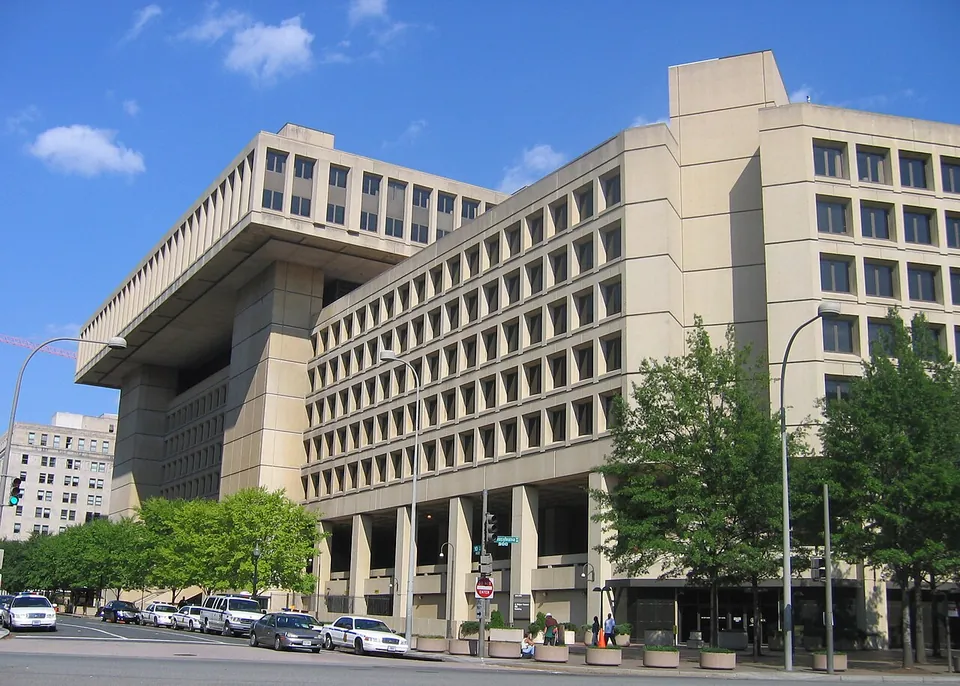
The system shares warrant and background-check information among federal and local law enforcement.1
People briefed on the investigation told CNN officials discovered the intrusion recently.3
Story
What is known about the apparent NCIC intrusionThe FBI is examining what has been described as an apparent breach of its criminal information database, the National Crime Information Center, or NCIC.1 The available reporting does not give a count of affected records, a duration for the intrusion, or a measure of its scale.3 The FBI has not explained the route by which an attacker may have entered the system, and it has not confirmed whether confidential material was obtained.3 Those unanswered points limit what can be said about the consequences: the reported event is an apparent intrusion, not a publicly established account of what information was exposed.13
The NCIC is used by federal and local law enforcement as a shared source for information related to warrants and background checks.1 That description identifies the system’s users and functions, but it does not establish that either category of information was accessed in this incident.13 The distinction matters because the FBI has not disclosed whether confidential records were obtained, even as the investigation concerns a database used for those law-enforcement purposes.13 The reporting therefore identifies a potentially important system while leaving the extent of any effect on its records and users unreported.13
Two people briefed on the FBI inquiry told CNN that officials found the NCIC intrusion in recent days.3 Separately, US media cited two people who had been briefed on the issue.1 The reports thus describe the discovery as recent and attribute information about the matter to people briefed on it, rather than supplying a public FBI account of the method or outcome.13 No more precise discovery date is given in the available facts, and no timeline for the suspected access is provided.3
The people and institutions directly identified in the reporting are the FBI, which is investigating, and the federal and local law-enforcement agencies that use the NCIC.1 The facts do not state that a particular agency, employee, person named in a warrant, or background-check subject had information exposed.3 Nor do they provide a total for affected users, records, or searches, so the size of any practical impact cannot be counted from the reported information.3 The system’s broad law-enforcement use explains why the incident concerns more than one office, but does not show that every user or record was involved.13
The FBI has disclosed neither how the suspected attackers got in nor whether they retrieved confidential records.3 The available account does not provide an official description of the intrusion’s technical details or a quantified assessment of damage.13 That absence should not be mistaken for confirmation that no records were obtained; the reported position is that the FBI has not said whether they were.3 Likewise, the word apparent reflects the way the incident is described in the reporting, rather than a supplied finding about its full extent.13
The NCIC report arrives after a separate FBI-related episode in September involving ShinyHunters, a cyber-crime group that claimed to have taken sensitive information about bureau staff.1 That claim concerned around 38,000 people, a figure describing the group’s assertion about the bureau workforce rather than a confirmed count of records from the NCIC incident.13 The September incident was reported as targeting sensitive employee information through an FBI recruitment website.3 The earlier episode and the current NCIC investigation therefore involve different reported targets: employee information in the former, and a law-enforcement database in the latter.13
A former FBI agent told the BBC that he was concerned current employees could face safety risks if personal information became available online to criminals or hostile nation-state hackers.1 That warning addressed the possible consequences of employee information becoming accessible; it was not a finding that such information had been published in the NCIC case.13 The facts give no number of employees affected by the current database investigation and do not connect its unknown records to the staff information discussed in the earlier episode.13 Keeping those cases separate is necessary to avoid treating a claimed staff-data theft, a reported recruitment-site target, and an unresolved NCIC intrusion as one confirmed event.13
Other recent reports describe apparent technology incidents outside the FBI.1 Last week, outages affected banking, air-traffic control, and other US sectors, while officials said those disruptions were not the result of cyberattacks.1 NBC also reported a suspected cyberattack involving the US Department of Agriculture, whose employees were told on Thursday that its farm-payment system had been targeted.1 The USDA had not made a public statement on that matter in the supplied reporting, and its reported system is distinct from the FBI’s NCIC.1
The wider backdrop also includes a leadership change: White House National Cyber Director Sean Cairncross was dismissed this week.1 President Donald Trump said Cairncross was not good enough, according to the reported account of the firing.1 The facts do not establish that the personnel decision was caused by the NCIC investigation or by the other incidents described here.13 Taken together, the reports place the FBI inquiry among several recent technology and security stories, but the evidence supplied does not show a common cause or a shared impact.13
Structure
Who is connected to whom- 1FBI
- partners with →Fact
- member of →Fact
- sanctions →Fact
- partners with →Fact
- partners with →Fact
History
How it came to this- SeptemberSeparate FBI-related breach investigationThe FBI said it was investigating an apparent ShinyHunters breach involving sensitive employee information; the group claimed to have stolen information on around 38,000 staff.
- Recent daysNCIC intrusion discoveredPeople briefed on the FBI investigation told CNN officials discovered the suspected intrusion.
- NowApparent breach FBI investigation into apparent NCIC breach
Impact
Spreading outward, level by level- Level 1NCIC records
The FBI has not disclosed how attackers gained access or whether confidential records were obtained, so the effect on the database’s information remains unknown.3
Fact - Level 2Law-enforcement users
Because federal and local law enforcement use NCIC to share warrant and background-check information, any confirmed effect on those functions would matter to those users; the facts do not establish that these records or functions were affected.
Analysis
Sources
What each source supportsWritten by AI from the sources listed below: every fact was checked word for word against its source, and inference is marked apart. How we write