

EU leaders leave €1.582 trillion budget unresolved after 12-hour summit
The proposed 2028–2034 budget is about 10% smaller than the original plan, but EU leaders did not reach agreement. Talks are set to resume at a two-day summit on 17–18 December, with spending priorities and the requirement for unanimous approval still central to the dispute.
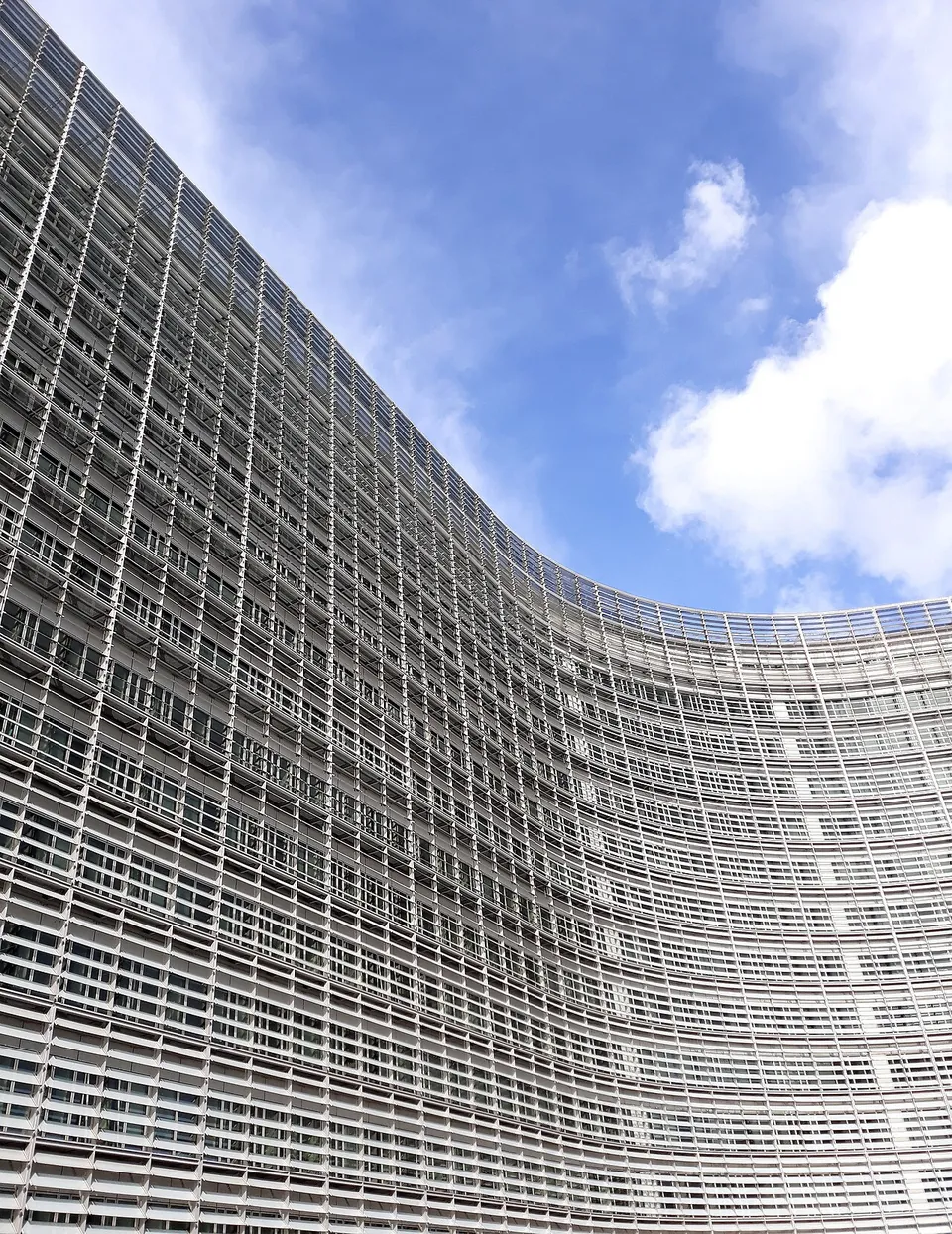
EU leaders ended a 12-hour summit without agreement on the budget.1
The proposal includes €140 billion to repay pandemic-era borrowing.2
Costa said defence spending would rise 232% compared with the current budget.1
Story
A smaller EU budget, and no agreement yetEuropean Union leaders ended a 12-hour meeting without settling the bloc’s budget for 2028–2034, leaving negotiations to continue in December.1 The proposal presented by European Council President António Costa is €1.58 trillion, roughly 10% below the original plan.1 A separate account puts the proposed total at €1.582 trillion and describes the reduction as approximately €220–€230 billion.2 The two totals are close but not identical as reported; both describe a substantially reduced proposal, rather than an agreed final budget.12
The Council proposal includes €140 billion for repaying borrowing taken on during the pandemic, a specified part of the overall amount.2 Costa said the revised plan was realistic and pointed to competitiveness funding rising 120% and defence spending rising 232% compared with the current budget.1 Those increases describe changes in two spending areas against the current budget; they do not alter the overall downward revision reported for the proposal.1 The competing positions reflect a broader division between states seeking lower contributions and countries wanting to preserve or expand expenditure, particularly on defence and support for Ukraine. [SUPPORTED]1
France and Italy are among the countries arguing for higher spending, while Germany is pressing for tighter financial limits.2 Six countries urged that the budget give priority to defence, economic competitiveness, innovation and efforts against irregular migration.1 That agenda overlaps with Costa’s emphasis on larger allocations for defence and competitiveness, even as the proposal reduces the overall budget.1 The dispute is therefore not only over the total size, but also over which purposes should receive emphasis within the proposed spending plan.12
The negotiations broke down after an extended session in Brussels, and the BBC reported that some participants left before it ended.12 Four countries seeking to limit the budget, among them Denmark and Austria, departed after several hours of discussion.2 The accounts describe departures at different points: some members left during the 12-hour summit, while the four-country group walked out after hours of meetings.2 The summit concluded without agreement, so the departures did not bring the proposed budget to a decision.12
Every member state must approve an EU budget, which gives each of the 27 countries an effective ability to block it.2 That rule makes agreement across the whole Union necessary, rather than allowing a majority of governments to settle the budget.2 German Chancellor Friedrich Merz stressed that the Union has 27 members, not a smaller group of 23 or 24.1 He also said uniform backing from all members is required to approve the wider budget and maintained that Ukraine assistance must have support throughout the Union.2
Merz said the meeting had advanced the effort to reduce the budget’s overall scale.1 Romanian member of the European Parliament Siegfried Mureşan faulted the Council for proposing reductions while Parliament is seeking greater investment.1 French President Emmanuel Macron argued that choosing a lower-spending result would be a strategic error.2 Their remarks convey distinct concerns: Merz emphasized restraint, Mureşan contrasted Council cuts with Parliament’s investment aims, and Macron opposed a lower-spending outcome.12
France faces pressure to bring its deficit down from 5.1% toward the EU guideline of 3%, while domestic protests add to the setting for its budget position.1 The deficit figures concern France’s public finances, not the size of the EU budget or the proposed cuts to that budget.12 They help explain the domestic constraint identified for France as it argues in a debate where France and Italy favour greater EU spending.12 The facts do not quantify the effect of protests or deficit-reduction pressure on France’s negotiating position.12
One limited sign of movement concerned the proposed Ukraine loan: Bulgaria, which had previously resisted, agreed to cover its non-military portion.2 That step is a partial commitment on one part of the loan, not a settlement of the wider budget negotiations.12 It sits alongside Merz’s insistence that support for Ukraine must be accepted across the Union.2 The proposal’s total also includes pandemic-era debt repayment, so the budget debate encompasses both new priorities and that repayment allocation.2
Leaders are scheduled to return to the budget at a two-day European Council meeting on 17–18 December.2 That meeting is intended to revive negotiations after the summit that ended without agreement.12 Separately, Spanish economist Pablo Hernández de Cos was named to lead the European Central Bank after Christine Lagarde, with the succession due in February 2027.2 The ECB appointment is a separate institutional development; the reported budget outcome remains unresolved pending further talks.12
Structure
Who is connected to whom- 1European Union
- ← partners withFact
- finances →Fact
- sanctions →Fact
- ← exports toFact
- uses →Fact
Disagreements
Where the sources do not matchHistory
How it came to this- At the 12-hour summitLeaders failed to agreeTalks on the 2028–2034 budget ended without agreement and are to resume in December.
- At the summitA revised proposal was presentedCosta presented a proposal reported at €1.58 trillion, about 10% below the original plan.
- After several hours of meetingsSome countries walked outFour countries seeking to rein in the budget, including Denmark and Austria, left the discussions.
- Now€1.58 trillion Proposed EU 2028–2034 budget
- 17–18 DecemberA two-day European Council summit is scheduled to revive budget negotiations.
Impact
Spreading outward, level by level- Level 1Budget negotiations
The proposal remains unsettled, with talks due to resume in December.1
Fact - Level 2Member-state approval
All 27 member states must approve an EU budget, giving each an effective veto and making agreement across the Union necessary.2
Fact - Level 3Spending priorities
The deadlock reflects a clash between states seeking deeper cuts and members wanting to maintain or increase spending, especially for defence and Ukraine aid.
Analysis - Level 4Ukraine loan
The proposed €45 billion loan could jeopardise the wider agreement unless compromises, such as Bulgaria’s partial funding, are secured.
Analysis
Ahead
Checked automatically when due; the result goes to the track recordA two-day European Council summit is scheduled to revive budget negotiations.
Sources
What each source supportsWritten by AI from the sources listed below: every fact was checked word for word against its source, and inference is marked apart. How we write