

Food-at-home prices rose 0.4% in October, the largest monthly gain since April
The increase came as fresh vegetables and several beef categories became more expensive, while some fruit and coffee prices fell. Annual October inflation figures were unavailable because the Bureau of Labor Statistics had not collected October 2025 data during the federal shutdown.
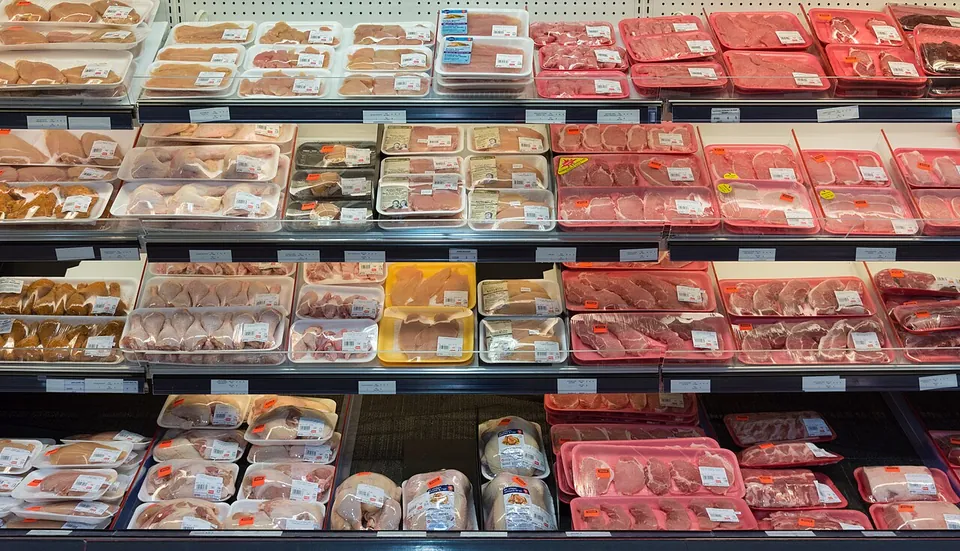
Food-at-home prices rose 0.4% from September to October, the largest monthly increase since April.1
Fresh vegetable prices rose more than 2% in October, while coffee prices fell about 3.5%.1
Diesel averaged $6.13 per gallon, 60% above its price a year earlier.1
Story
A monthly grocery increase amid uneven pricesIn October, food-at-home prices were 0.4% higher than in September, the largest monthly increase since April, according to Consumer Price Index data.1 The Bureau of Labor Statistics published the October increase in Consumer Price Index data on Tuesday, but could not provide an annual October inflation figure.12 The missing annual measure reflects a data-collection gap: the agency had not gathered October 2025 data during the federal government shutdown.12 The month-to-month result therefore gives the available measure of October's change, while the sources do not provide an annual comparison for that month.1
The increase was not shared evenly across foods: fresh vegetables rose by more than 2%, beef and veal gained almost 1%, and coffee fell about 3.5%.1 Within vegetables, potato prices climbed nearly 1%, tomatoes rose about 2%, and lettuce recorded a much larger increase of almost 8%.1 These category figures describe different movements within the same month; they do not establish how much each item contributed to the overall 0.4% increase.1 The sharp lettuce rise contrasts with the smaller potato change, while the tomato increase sits between those reported movements.1
Fresh fruit moved in the opposite direction from fresh vegetables: prices declined, with apples down 1.6% and bananas falling by a fraction of a percent.1 Processed fruit and vegetable prices also edged lower overall, dropping by less than half a percent, despite differing results among products.1 Canned vegetables fell just over 1%, whereas canned fruit prices rose slightly and frozen vegetables increased about half a percent.1 Together, these figures show why a broad grocery measure can rise while several kinds of fruit and processed foods decline or change only modestly.1
Meat prices also varied by product: sausage and related items and uncooked ground beef each rose approximately 1% in October.1 Uncooked beef steak increased almost 2%, a larger rise than the reported changes for ground beef and sausage products.1 Poultry prices advanced nearly 1%, while ham prices declined by a similar percentage, separating those categories despite their shared place among meat products.1 The overall beef and veal increase was almost 1%, a broad category result that sits near the changes reported for some individual meat products.1
The reported sequence around the October increase includes several earlier movements: grocery inflation rose month to month in January and February 2026.1 In April, grocery inflation climbed by nearly 1% amid crude oil supply disruptions linked to the Iran war, then slowed in May and June.1 Inflation declined slightly in July and September, according to the same account of the later pattern.1 The sources characterize October's 0.4% rise as renewed acceleration after softer or declining inflation, rather than an extension of the immediately preceding declines.1
Fuel costs form part of the context described by the sources: diesel averaged $6.13 per gallon as of Monday, compared with $3.84 a year earlier.12 That comparison amounts to a 60% increase in the reported average diesel price over the year.12 The diesel figures are prices per gallon, not grocery-price measures, and the sources do not calculate their contribution to October's food-at-home increase.1 Higher fuel expenses are identified as a plausible influence on grocery prices, but the evidence does not assign them a quantified share of the 0.4% rise.1
FMI said grocers had been working to restrain prices and keep supplies dependable even as fuel expenses increased.1 Andy Harig of FMI said higher fuel and diesel expenses eventually feed into food production and delivery costs.1 Harig also said the effects can take months to show up in grocery prices, so the timing of fuel costs and shelf-price changes may differ.1 This account describes a possible lag in how costs appear, rather than establishing that diesel alone caused the October increase.1
FMI's September forecast anticipated that grocery costs would pick up later in 2026 as retailers and suppliers transferred rising expenses to consumers.12 That forecast concerns expected price changes later in the year, while October's 0.4% figure records a measured monthly increase.12 The sources do not give a numerical estimate for the forecast acceleration, so it cannot be compared directly with October's measured change.12 The forecast, the reported fuel-cost pressure, and the mixed food-category movements provide context, but they do not identify a single cause for the October result.1
For readers comparing the figures, the 0.4% measure covers food-at-home prices month to month, while the vegetable, meat, fruit, and coffee numbers describe selected categories.1 The diesel comparison instead tracks the average price per gallon across a one-year interval, and the unavailable annual October inflation figure is a separate limitation.12 Those measures should not be treated as interchangeable: they cover different goods, units, or comparison periods, as described in the reported figures.12 What the data establish is a 0.4% monthly grocery-price rise alongside divergent product changes, with no annual October rate available and no quantified estimate of fuel's effect.1
History
How it came to this- January and February 2026Grocery inflation rose month to month
- April 2026Inflation rose nearly 1%The increase came as the Iran war disrupted crude oil supplies.
- May and June 2026Inflation slowed
- July and September 2026Inflation declined slightly
- September 2026FMI forecast later price accelerationFMI said retailers and suppliers would pass rising costs on to consumers.
- OctoberFood-at-home prices rose 0.4%The increase was the largest monthly rise since April.
- Now0.4% Monthly food-at-home price increase in October
Impact
Spreading outward, level by level- Level 1Food categories
The overall rise occurred alongside different category movements: fresh vegetables rose more than 2% and beef and veal almost 1%, while coffee fell about 3.5%.1
Fact - Level 2Fuel costs
Diesel averaged $6.13 per gallon, 60% above its year-earlier price. Higher fuel costs are a plausible contributor to the grocery increase, but their share of it is not quantified.1
Fact - Level 3Production and delivery
FMI's Andy Harig said fuel and diesel increases eventually affect food production and delivery costs and may take months to appear in grocery prices.1
Fact - Level 4Annual comparison
The missing annual October figure limits comparison with the same month a year earlier because the BLS did not collect October 2025 data during the shutdown.1
Fact
Sources
What each source supportsWritten by AI from the sources listed below: every fact was checked word for word against its source, and inference is marked apart. How we write