

Sydney begins armed police patrols; operation is expected to reach 250 officers
The Armed Response Command has started street patrols after the Bondi Beach attack, in which 15 people died. Its planned work covers busy public settings, while some people are seeking human-rights safeguards as the operation develops.
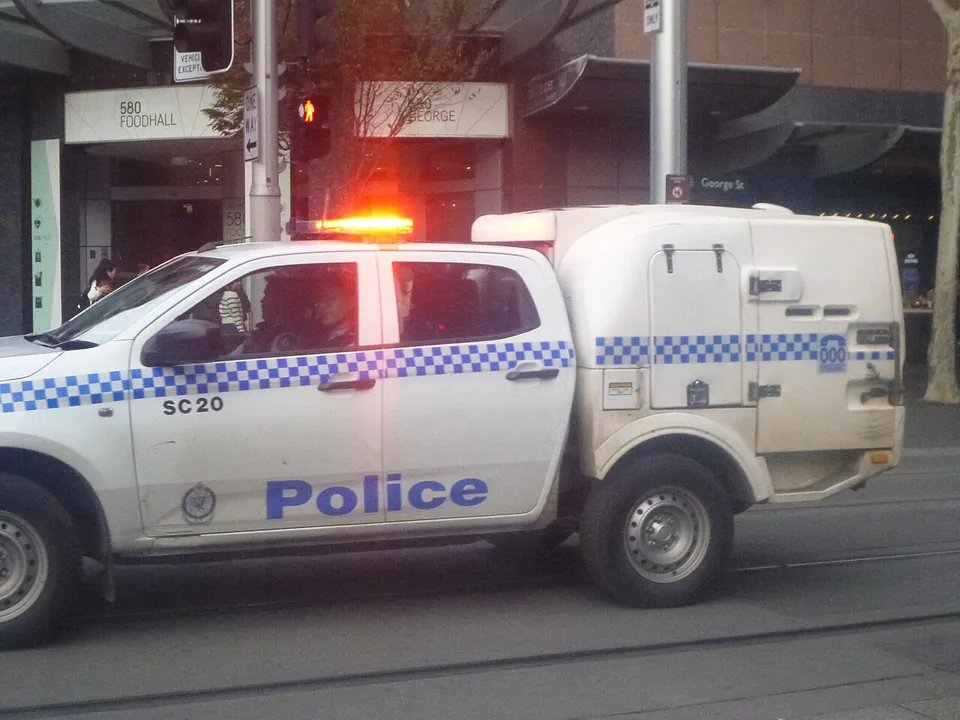
The operation is expected eventually to comprise 250 officers.3
The shooting took place on 14 December at an event marking Hanukkah.3
Story
What Sydney’s new armed patrols will doSydney has started street patrols by a newly formed police unit whose officers carry military-grade assault rifles.1 The force is called the Armed Response Command, commonly shortened to ARC, and was created following the Bondi Beach attack.12 The operation is projected eventually to include 250 officers, a planned total rather than a statement of how many are already patrolling.3 The patrols have been presented as an Australian-first measure introduced in response to the attack.2 The change therefore combines patrols that have begun with a larger staffing level that is expected to be reached later.13
The event that preceded the unit’s creation took place at Bondi Beach last December, where a shooting killed 15 people.1 The dead included a 10-year-old girl, according to the account of the attack.3 The shooting occurred during a gathering marking Hanukkah, the Jewish festival.3 A separate account describes the incident as Australia’s worst mass shooting in almost three decades.3 The reported death toll and the timing of the event provide the stated background to the police unit’s creation, rather than a measure of its staffing.13
ARC officers are specially trained, and their equipment includes long-arm rifles for patrols in busy tourist districts.3 The unit’s rifles are also described as military-grade assault weapons in the account of Sydney’s new street patrols.1 These descriptions concern the arms carried by patrol officers; the facts do not give a count of weapons or specify how many officers are currently deployed.13 The expected eventual complement of 250 officers is the only stated staffing figure for ARC.3 Because that figure concerns the operation’s eventual size, it should not be read as a count of officers already working on the streets.3
The planned patrol locations include major public events, heavily used open spaces, sporting sites and religious places of worship.2 The state police say the patrols will be conspicuous, making visibility part of the operation’s stated approach.2 The listed settings range from events and sports grounds to shared public areas and places where people gather for worship.2 The sources do not assign separate staffing totals to any of those settings or give a schedule for patrols at each one.23 They describe the locations and the high-visibility approach, but provide no figure for the number of patrols or their duration.2
The account of the attack says it led to broad changes in gun laws and a government effort to curb hate speech.3 The shooting also put pressure on Prime Minister Anthony Albanese’s government, with demands for immediate steps on antisemitism.3 Those reported responses place the new police operation alongside other changes and demands that followed the attack.3 The facts identify the reforms and the pressure on government, but do not describe the details of the gun-law changes or the hate-speech measures.3 Nor do they specify which particular actions the government took in response to the calls concerning antisemitism.3
The establishment of ARC followed the Bondi Beach attack, and the account of the new patrols explicitly links their introduction to that event.12 That sequence connects a deadly shooting with the start of a specially trained, armed police unit, without establishing that patrols were already operating before the attack.13 The shooting took place in December at a Hanukkah event, and an account describes it as Australia’s worst mass shooting in almost three decades.3 The reported toll of 15 includes the 10-year-old girl mentioned in the account of the victims.13 The facts do not provide further details about the victims or describe the sequence of events during the attack.1
The patrol mission is defined by its intended settings: prominent events, busy public spaces, sports venues and locations for worship.2 The state police characterize the work as high-visibility patrols, while the BBC account specifies long-arm rifles in busy tourist areas.23 Together, those details describe where patrols are intended and the equipment officers will carry, but they do not establish the frequency of coverage.23 No separate numbers are supplied for officers assigned to tourist areas, sporting venues, events or places of worship.23 The planned total of 250 applies to the operation eventually, rather than to any one of these categories of place.23
Some people have called for safeguards intended to protect human rights while the operation is being introduced.3 That call is part of the reported context for ARC’s introduction; the facts do not say that a particular safeguard has been adopted.3 The account of the patrols describes armed officers and a high-visibility approach, while the rights concern is presented as a request for protections.123 No specific person or group is identified as making the call, and no details are supplied about the proposed safeguards.3 The available facts therefore establish that the concern has been raised, not how it will be addressed.3
The attack is described as the country’s most severe mass shooting in almost three decades, and it killed 15 people.13 The shooting also prompted gun-law reform and a crackdown on hate speech, while generating demands for government action on antisemitism.3 ARC is one stated response: a new armed unit whose patrols have begun and whose eventual staffing is projected at 250 officers.13 Its remit includes public gatherings, crowded places, sporting sites and worship locations, with state police describing the patrols as highly visible.2 The sources report both that operational plan and calls for human-rights protections, without stating what safeguards will result.3
Structure
Who is connected to whom- 1New South Wales Police
- operates in →Fact
History
How it came to this- Last DecemberBondi Beach shootingThe attack killed 15 people and took place during an event marking Hanukkah.
- After the attackARC establishedThe Armed Response Command was formed following the Bondi Beach attack.
- After the attackWider responses reportedThe shooting prompted gun-law reforms and a crackdown on hate speech, and brought calls for immediate action on antisemitism.
- NowStreet patrols beginSydney has begun high-visibility patrols by the armed unit.
- Now250 Projected eventual Armed Response Command staffing
Impact
Spreading outward, level by level- Level 1Street operations
ARC patrols have begun in Sydney; officers carry military-grade assault rifles.1
Fact - Level 2Intended patrol settings
The unit is to patrol major events, crowded public spaces, sporting venues and places of worship, with high visibility stated as the approach.2
Fact - Level 3Planned force size
The eventual operation is expected to consist of 250 officers; this is a projection, not a current deployment count.13
Fact - Level 4Rights safeguards
Calls for human-rights safeguards have been reported, but the facts do not establish that any particular safeguard has been adopted.3
Fact
Sources
What each source supportsWritten by AI from the sources listed below: every fact was checked word for word against its source, and inference is marked apart. How we write