

Mercedes-Benz freezes further German-site investment as labor costs reach up to 5 times Eastern Europe’s
The company has stopped additional investment at its German facilities while considering whether some sites could close. No specific plant has been identified, and talks with IG Metall remain unresolved.
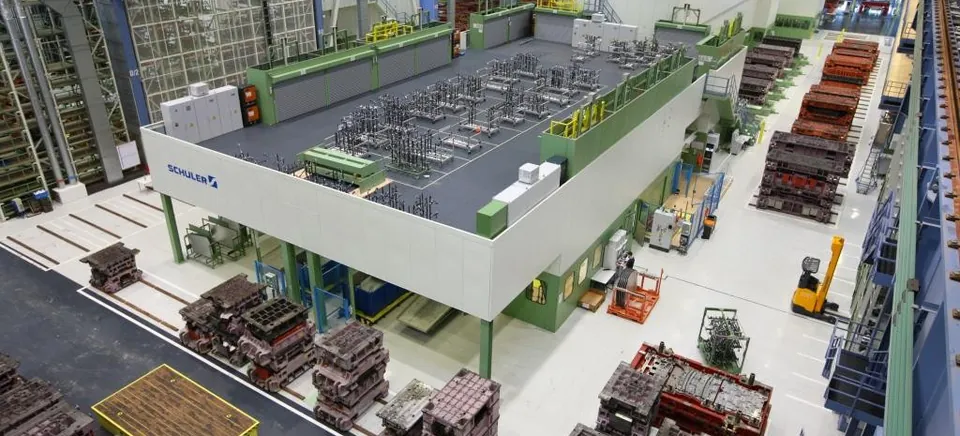
German factory labor costs per hour can be five times those at Eastern European factories in some cases.3
Management sought a longer weekly schedule without changing wages.4
Internal material reportedly put hourly personnel costs at the Hungary plant below the German average by this amount.4
Story
A German investment freeze amid a cost disputeMercedes-Benz has paused all further investment at its German facilities, a decision that applies to future spending at those sites rather than announcing a completed closure. The move came as the company also began examining whether some German plants might be shut. It has not named any particular facility as a closure target. The reported cost comparison is stark: labor per hour at German factories can, in some cases, be five times the level at Eastern European plants, with a similar gap reported for administrative costs.13 That comparison helps explain the pressure behind the investment decision, but it does not establish which site is most exposed or that any closure has been settled. The company’s board reached the suspension decision collectively, according to board member Michael Schiebe. The measure therefore concerns investment across the German footprint, while the possible closure review remains an assessment rather than a named plan for a particular plant. The reporting also links the pause to a standoff over reducing labor costs.13 Schiebe said the current cost structure makes investment in Germany unviable for the company. That position puts the freeze into a wider dispute over whether employees should accept changes before the company commits to future spending. Mercedes-Benz’s stated position is that costs must come down before it can promise continued investment in Germany. IG Metall takes the opposite sequencing position, seeking assurances about German plants, jobs and future investment before agreeing to changes.34 The two positions are not simply different views about the size of a cost reduction; they place the first obligation on opposite sides. The company wants lower costs to precede an investment commitment, while the union wants commitments to precede changes to working conditions. The facts describe a negotiation under way, not an agreement that has resolved that order. As a result, the investment pause and the closure review sit alongside unresolved bargaining rather than a reported final decision about any individual factory.34
The dispute began at the end of June this year, when management sought to raise weekly hours from 35 to at least 38 without changing wages. Management also considered cuts to Christmas bonuses, holiday allowances and annual profit-sharing payments. IG Metall opposed longer hours and called for prior guarantees covering German sites, employment and investment. These proposals show that the cost argument is tied to both working time and compensation, not only to the difference in labor costs between countries.4 The company estimates that reforms including longer hours at German factories could save about eight hundred million euros a year. That projected annual saving is a company estimate, not a figure for money already saved. The union’s resistance to extending hours is paired with its demand for guarantees, while Mercedes-Benz says it needs cost reductions before offering an investment commitment. The reported gap between those demands helps explain why the talks have not yet produced a route to agreement.34 The comparison with Hungary adds another measure of the cost difference under discussion. Internal material obtained by Handelsblatt reportedly put hourly personnel costs at the Mercedes-Benz Hungary plant 75% below the German average, while annual working time there was 27.5% higher. The same material put personnel costs at the company’s US plant about 18% below Germany’s. These are comparisons across locations and measures: one concerns hourly personnel costs, another annual hours, and the US figure concerns personnel costs.4 The figures do not, on their own, specify how costs at each German site compare with those abroad. The separate report that German factory labor per hour can be five times Eastern European levels applies only in some cases, and the report describes a similar administrative-cost gap. It is therefore not the same measure as Hungary’s 75% difference from the German average or the US comparison. Together, however, the reported comparisons show why labor and administrative costs have become central to the investment discussion.34
Mercedes-Benz’s German industrial footprint includes three vehicle assembly plants, in Sindelfingen, Rastatt and Bremen. Powertrain and component production is located in Stuttgart-Untertürkheim, Affalterbach, Berlin, Hamburg and Kamenz. This spread matters because the closure assessment could concern facilities of different types, not only vehicle assembly. The company has not said which sites, if any, would be affected.3 Schiebe warned in September that if costs did not fall, one German vehicle assembly plant and one powertrain plant could face closure. An internal briefing obtained by Handelsblatt describes two possible outcomes of the labor talks. If the sides reach an agreement, the briefing says, all German plants would be retained, although some production capacity would move abroad. If negotiations fail, it says, one vehicle assembly plant and one component plant would close.34 Those scenarios are conditional, not a report that either outcome has occurred. The failure scenario concerns one assembly facility and one component facility, rather than a stated closure of every German plant. The company has not identified specific sites, so the plant locations listed above cannot be matched to a confirmed closure decision. The account of the briefing therefore describes possible consequences of the talks, while the current reporting says no individual plant has been selected for closure.34 The immediate people affected by the dispute are employees whose hours, benefits and employment guarantees are at issue. Management’s proposed change would add at least three hours to a 35-hour week while leaving pay unchanged, and other proposals involve bonuses and allowances. The union’s demand for guarantees extends beyond current working conditions to jobs and future investment at German plants. The facts do not give a headcount for employees who would be affected by any particular outcome.34
Schiebe said that the executive board had jointly decided to halt further investment at German sites. Human resources board member Britta Seeger said the company wanted to avoid plant closures at any cost, but now had to examine closure options more concretely. Her statement marks a shift from a general preference against closures to a more detailed consideration of them, without identifying a plant or confirming that a closure will happen. The reported assessment and the board’s investment pause are thus distinct actions: one concerns future spending, the other examines possible site closures.13 At the time of the report, discussions with IG Metall were still continuing. Mercedes-Benz said it saw no path to consensus in the short term. That account is consistent with the opposing demands over whether cost cuts or guarantees should come first. It does not establish that negotiations have ended or that the conditional closure scenarios have been triggered.34 The financial backdrop includes weaker results and a reduced outlook for passenger cars. Mercedes-Benz’s operating profit for 2025 fell 58% year on year to about five billion eight hundred million euros. The company also reduced its expected full-year passenger-car margin from 3% to 5% to 2% to 3%. A separate report said the adjusted sales margin for the Cars division in the third quarter of 2026 fell to 2.5% from 4.8% a year earlier, and repeated the lower full-year guidance.34 Demand in China is another part of the reported context. According to Der Spiegel, deliveries there during the first nine months of this year were down 29% from the same period a year earlier, to about two hundred ninety-seven thousand vehicles. That volume was nearly half the level in the corresponding period of 2023. The delivery figures describe a particular market and period; they are separate from the company’s profit and margin measures.4
The dispute is unfolding amid wider cost and restructuring pressures in the German car industry. Volkswagen Group had already begun what was described as its largest restructuring, and was considering closing as many as four German plants. This is a comparison in scale and context, not evidence that Volkswagen’s plans determine Mercedes-Benz’s decisions. It shows that consideration of German plant closures is also present elsewhere in the sector.3 Schaeffler announced the previous week that it planned to cut 3,460 jobs in Europe and close five facilities, four of them in Germany, citing weak demand for combustion-engine vehicles. Those proposed actions concern a different company and are not part of Mercedes-Benz’s own closure assessment. They provide a second example of German facilities and jobs being affected by restructuring pressures in the sector. The stated reason in Schaeffler’s case was soft demand for combustion-engine vehicles.2 For Mercedes-Benz, the core uncertainty remains how the cost dispute will be resolved and whether the company’s stated conditions for investment can be reconciled with the union’s demand for prior guarantees. The board has paused further German-site investment, and the company is assessing possible closures, but no specific plant has been selected. The internal briefing offers conditional outcomes rather than confirmation of a final decision. Until the talks yield an agreement or fail, the reported alternatives remain possibilities described in the available information.134 The central change is therefore a halt to additional investment in Germany alongside a more concrete examination of possible closures, not a completed shutdown. The reported labor-cost comparisons help explain the pressure, while the company’s savings estimate and weaker financial indicators describe the surrounding business context. Employees face proposals on hours and benefits, and the union is seeking assurances about jobs and plants. The outcome remains unsettled in the reporting, with the plant-level consequences dependent on negotiations that were still in progress.134
Structure
Who is connected to whom- 1Mercedes-Benz
- partners with →Fact
- uses →Fact
- operates in →Fact
- supplies →Fact
- customer of →Fact
History
How it came to this- End of JuneLabor dispute beginsManagement sought longer weekly hours without a wage increase; it also considered changes to bonuses and allowances.
- SeptemberSchiebe warns of possible closuresHe warned that a vehicle assembly plant and a powertrain plant could face closure if costs did not fall.
- 2026-11-13Investment pause and closure assessment reportedThe company paused further investment in German facilities and began assessing possible closures, without naming any affected site.
- NowAll Further investment at Mercedes-Benz’s German facilities
- Talks ongoingWatch whether Mercedes-Benz and IG Metall reach agreement on costs and guarantees; reporting says negotiations are continuing and the company sees no short-term path to consensus.
Impact
Spreading outward, level by level- Level 1German-site investment
Further investment at German facilities is paused by a collective executive-board decision.1
Fact - Level 2Possible plant closures
The company is assessing closure options, but has not identified any specific facility as a target.3
Fact - Level 3Workers and labor negotiations
The dispute includes management proposals on working hours and compensation, while IG Metall seeks prior guarantees for German plants, jobs and future investment.4
Fact - Level 4Negotiation outcome
The opposed sequencing demands leave the investment commitment and possible closure outcomes unresolved while talks continue.
Analysis
Ahead
Checked automatically when due; the result goes to the track recordWatch whether Mercedes-Benz and IG Metall reach agreement on costs and guarantees; reporting says negotiations are continuing and the company sees no short-term path to consensus.
Sources
What each source supportsWritten by AI from the sources listed below: every fact was checked word for word against its source, and inference is marked apart. How we write