

China approves its first oral GLP-1 obesity treatment: Lilly’s Foundayo
The approval brings a once-daily pill into a market where GLP-1 medicines for weight management had previously been approved only as injections. The decision comes as forecasts point to a larger population with overweight or obesity and rising sales of weight-management therapies.
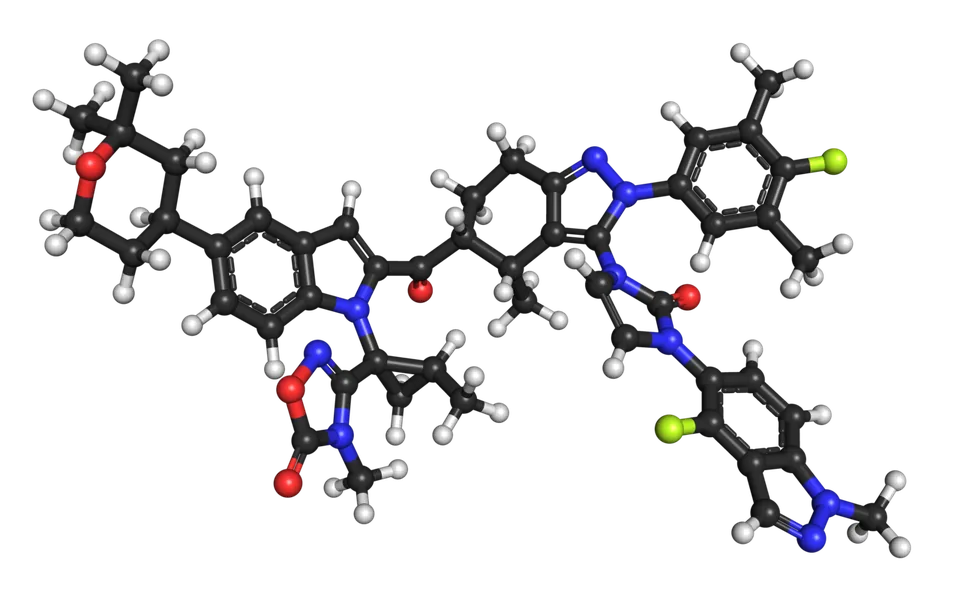
Foundayo is taken once a day and is intended for chronic weight management in obese or overweight adults.1
Lilly shares rose 1.2% in US pre-market trading after the announcement.2
The weight-loss result cited for Foundayo was 11% over 72 weeks.2
Story
What China’s approval of Foundayo changesChina has authorised Eli Lilly’s orforglipron, sold as Foundayo, making it the country’s first oral GLP-1 treatment approved for obesity.1 That distinction is about how the medicine is taken: before this decision, Chinese approvals for GLP-1 weight-management drugs covered injectable products, not pills.12 Foundayo is taken once each day and is intended for chronic weight management among adults who are obese or overweight.1 The change therefore adds an oral option to the approved treatment forms; the supplied information does not establish how many patients will use it or how quickly that may happen.12
China’s National Medical Products Administration announced the authorisation on Thursday.1 The decision concerns a drug already identified by its brand name, Foundayo, and its generic name, orforglipron, rather than a broad approval of oral GLP-1 medicines as a class.1 The specified use is continuing weight management for adults classed as obese or overweight, not a stated use for every person seeking to lose weight.1 The reported facts do not give an eligible-patient count, a prescribing threshold, or a measure of how many people might begin treatment after the decision.1
Before Foundayo’s approval, the authorised GLP-1 medicines for weight management in China came as injections, according to the reported account of the regulatory landscape.2 The new pill is thus a change in delivery form within the existing category of GLP-1 weight-management treatment, rather than evidence that injectable options have been withdrawn.12 Lilly’s product is positioned alongside the company’s own weekly GLP-1 injection and injectable competitors from Novo, Pfizer and Innovent Biologics.2 Those comparisons describe the treatments identified as competitors; the facts do not provide their prices, sales in China, or a comparison of their availability.2
Lilly said it was working to move Foundayo toward a commercial launch in China and planned to provide it to healthcare institutions authorised to receive it.2 The company did not disclose a price in its comment, so the approval announcement alone does not show what patients or institutions may pay.2 A promotion carrying Lilly’s logo appeared on JD.com’s mobile application, but JD.com had not provided an immediate response to a request for comment.2 The reported appearance of that promotion does not, by itself, establish a launch date or the terms on which the medicine will be sold.2
The approval also enters a contest involving oral products, not only the injectable medicines already named as competitors.2 Novo said in August that Chinese authorities had accepted its application to market an oral form of Wegovy in China.2 Acceptance of that application is a different regulatory milestone from the approval granted to Foundayo, and the supplied facts do not say that Novo’s pill has been approved in China.12 The two companies’ oral medicines are therefore relevant to the expected competition, while the available information describes their Chinese status differently.12
Trading moved after the announcement: Lilly shares gained 1.2% in US pre-market activity, while Novo’s Danish shares rose by more than 2%.2 These are reported market movements in different share markets, not measures of how many prescriptions Foundayo has received or how much revenue it will generate.2 The percentage reported for Lilly is an exact 1.2%, whereas the change for Novo is stated as exceeding 2%; the two figures should not be read as identical measures.2 The report links both movements to the same approval announcement but does not establish that the decision alone caused either share-price change.2
Evidence from the United States gives one indication of the growing role of oral obesity medicines: pills make up about a third of obesity prescriptions there.2 Within the US market for new pill prescriptions, Novo accounts for more than 80% of volume, a separate measure from the share of all obesity prescriptions filled with oral therapies.2 Those figures concern US prescribing and should not be treated as estimates of Chinese uptake or market share.2 They nevertheless provide context for why a Chinese approval for a pill may matter to companies competing in oral treatment, without showing how that competition will resolve in China.12
Analyst Soren Lontoft Hansen expects Novo’s oral Wegovy to outperform Lilly’s product in China, citing the weight-loss results reported for the two drugs.2 The comparison given is about 14% weight loss over 64 weeks for Wegovy, against 11% over 72 weeks for Foundayo.2 The reported percentages are tied to different study periods, so they do not describe weight loss over the same length of time.2 Hansen’s expectation is an analyst assessment, while the figures are the results he cited; neither establishes which medicine will ultimately sell more in China.2
China’s National Health Commission projects that more than 65% of the population could be overweight or obese by 2030, compared with roughly 50% in 2020.2 Those values describe the share of the population in the two weight categories combined, not the number of people eligible for Foundayo or the number expected to seek treatment.12 Yang Huang of JP Morgan estimates that yearly Chinese sales of GLP-1 treatments for weight management may climb from the present 3-4 billion yuan to 30 billion yuan ($4.5 billion) within five to seven years.2 That sales forecast covers GLP-1 weight-management therapies as a market, rather than Foundayo alone, and it is a projection rather than a reported future result.2
History
How it came to this- Before the approvalChinese GLP-1 weight-management approvals were injectableThe reported regulatory landscape had no approved oral GLP-1 weight-management treatment before Foundayo.
- August (year not specified)Novo’s oral Wegovy application was acceptedNovo said its application to sell an oral version of Wegovy in China had been accepted.
- Thursday (date not specified)China announced Foundayo’s approvalThe National Medical Products Administration announced approval of orforglipron, the country’s first oral GLP-1 obesity treatment.
- NowFirst Orforglipron becomes China’s first approved oral GLP-1 obesity treatment
Impact
Spreading outward, level by level- Level 1Treatment form
The approval adds a pill to the GLP-1 weight-management options approved in China, where the previously approved medicines were injectable.12
Fact - Level 2Lilly’s commercial plans
Lilly said it was working toward a commercial launch in China and would supply Foundayo to authorised healthcare institutions; it did not comment on price.2
Fact - Level 3Competition
Foundayo is expected to compete with Lilly’s weekly injection and injectable products from Novo, Pfizer and Innovent Biologics. Novo has also reported acceptance of its application for an oral Wegovy, but the facts do not say that product is approved in China.2
Fact - Level 4Potential market context
The approval may add to competition in a market where an analyst forecasts substantial growth in annual Chinese GLP-1 weight-management sales; that forecast covers the market, not Foundayo alone.
Analysis
Sources
What each source supportsWritten by AI from the sources listed below: every fact was checked word for word against its source, and inference is marked apart. How we write