

China’s Taiwan-region drills involved more than 100 vessels at their peak
An unannounced exercise across the western Pacific and around Taiwan grew larger than China’s previous formally named drills targeting the island. Taiwan officials described activity that included simulated attacks and a deployment that later eased to about 70 vessels.
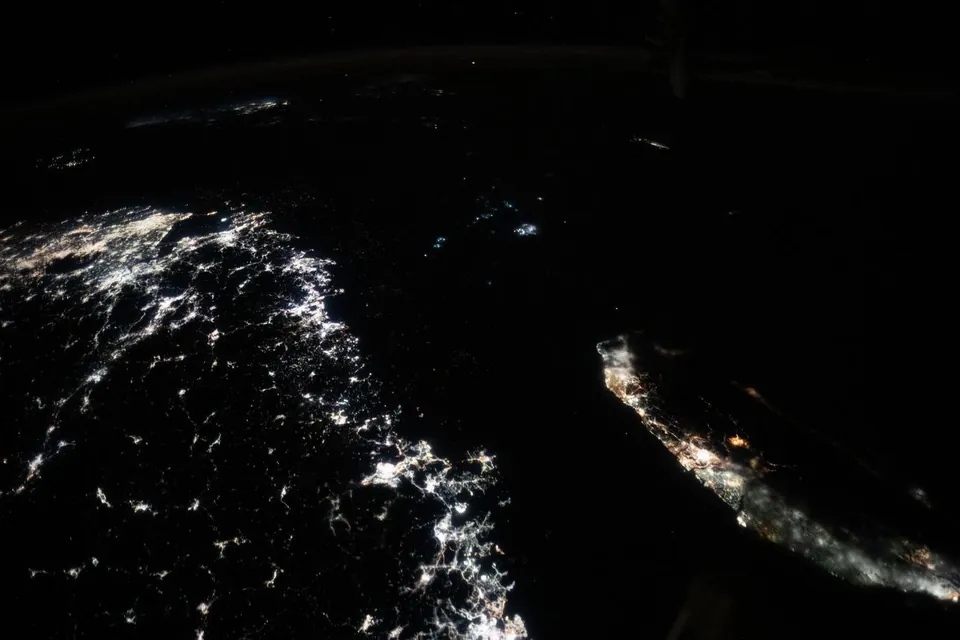
A Taiwan security official said Chinese military and coast guard forces had massed more than 100 vessels in the region at one point early in the month.1
Two Taiwan security officials said about 70 vessels were operating within the first island chain on Friday, as the deployment decreased in scale.2
China’s customs authority reported October exports rose 35.2% year on year in US dollars.4
Story
A large deployment, then a smaller oneIn early November, China launched a major exercise without prior notice, operating across the western Pacific and in waters around Taiwan.1 At one point early in the month, a senior Taiwan security official said Chinese military and coast guard forces had gathered more than 100 vessels in the region.1 That reported peak made the exercise larger than China’s previous formally named drills aimed at Taiwan, called Justice Mission 2025 and held nearly a year earlier.1 The same Taiwan official characterized the activity as among China’s largest naval deployments to date.1
By Friday, two Taiwan security officials put the number operating within the first island chain at about 70, as the deployment decreased in scale that week.2 That later estimate was lower than the earlier report of more than 100 vessels in the region, showing that the reported deployment had contracted.12 The counts describe different points in the month and different geographic terms: the earlier figure referred to the region, while the later one specified vessels within the first island chain.12 The reporting nevertheless described deployments as continuing when the lower Friday count was given.1 Wu also said Chinese air force activity remained high near Taiwan, so the falling ship count did not amount to a report that all military activity had ended.12
“Silent intimidation”Taipei officials, The Japan Times
The exercise was not described only as a naval presence: its activities included practice attacks against other militaries and against urban targets, including cities in Taiwan.1 A Taiwan security official also said a Chinese submarine launched an intercontinental ballistic missile from the Yellow Sea toward the Chinese mainland during the drills.2 Taiwan’s defence ministry directed Reuters to remarks from defence minister Wellington Koo about area-denial activity in the western Pacific involving a carrier and other naval groups.2 China, however, described the carrier’s participation as routine training and said it was not aimed at any country.2 These accounts identify different elements of the activity, while the reporting does not provide a single comprehensive inventory of every participating unit or action.12
A Taiwan security official said forces from China’s eastern, northern and southern theatre commands coordinated during the exercise.2 The official assessed that the scale pointed to preparation for a possible blockade of Taiwan as well as operations extending across the western Pacific.2 That account links the activity around Taiwan with a broader maritime setting, but it is an official’s assessment of what the scale suggested.12 Taipei officials called the exercise “silent intimidation” and said it was meant to pressure Taiwan and other governments ahead of major international gatherings.1 The reporting therefore presents both an account of military movements and Taiwan officials’ interpretation of their purpose.12
The timing placed the drills before the APEC leaders’ summit, which was due to be held in Shenzhen the following week.2 Donald Trump and Xi Jinping were expected to meet there for a third time that year.2 A separate account said China’s APEC meeting was scheduled for the 18th, while noting concerns about trade disputes and China’s export model.4 The summit timing and the officials’ stated view that the drills applied pressure before international meetings provide context for Taipei’s interpretation, but do not independently establish the exercise’s intent.124 China’s stated explanation for the carrier’s role was different: it called the activity routine and not directed at another country.2
The exercise also coincided with trade figures that showed strong year-on-year increases in both exports and imports, measured in US dollars.4 China’s customs authority reported October exports up 35.2% compared with the same month a year earlier.4 The reported increase for imports was larger, at 41.6% year on year, using the same currency basis.4 The two growth rates describe different flows of goods and should not be read as a direct measure of the military exercise or its effects.4 Their relevance here is the wider setting of the APEC meeting, where the source also noted attention to trade tensions and China’s export-centered economic model.4
China’s passenger-car figures moved in opposite directions for domestic retail and overseas sales in October.4 The passenger-car industry association reported domestic retail sales of 164.3萬輛, down 27.1% from the prior year.4 For exports, it reported 92.8萬輛, an increase of 68.5% year on year.4 Those numbers refer to separate markets and measures: retail sales within China fell, while exported passenger cars increased.4 They add economic context to the trade discussion around APEC, but the reported figures do not explain the military deployment.4
The reports record a limited set of official responses: China characterized the carrier’s activity as routine, while Taiwan officials described the exercise as pressure and assessed its possible operational aims.12 China’s defence ministry did not answer a request for comment.2 That absence means the reporting contains no response from the ministry to that request, rather than an additional explanation from it.2 The vessel counts, statements about air activity and descriptions of training therefore come from the sources and officials identified in the reports.12
A separate regional issue in the reporting concerned the future host of the Cop33 climate summit, not the military drills.3 The Guardian report said China had ruled out hosting the summit in 2028, leaving other Asian countries able to seek the role.3 The UN climate convention’s rules call for an Asian host that year, and the meeting was scheduled for 6 to 17 November 2028.3 That scheduled period came shortly after the US presidential election, which was set for 7 November.3 India considered a bid but did not proceed, while Uzbekistan, South Korea, Indonesia and Thailand were reported to be weighing bids.3 The report said a host decision was unlikely at Cop31, jointly presided over by the Turkish and Australian governments.3
Structure
Who is connected to whom- 1China
- ← partners withFact
- member of →Fact
- ← restricts exports toFact
- exports to →Fact
- imports from →Fact
Disagreements
Where the sources do not matchCarrier activity
indiatimes.com2
indiatimes.com2
Possibly: The accounts differ in how they characterize the carrier activity; the reporting does not establish why.
History
How it came to this- Nearly a year earlierPrevious formally named drillsJustice Mission 2025 targeted Taiwan; the later deployment was reported to be larger.
- Early NovemberUnannounced exercise beginsChina conducted a large exercise across the western Pacific and around Taiwan.
- Early in the monthReported vessel peakA Taiwan security official said more than 100 Chinese military and coast guard vessels had massed in the region at one point.
- FridayLower count reportedTwo Taiwan security officials put about 70 vessels within the first island chain as the deployment decreased in scale that week.
- Nowmore than 100 Chinese vessels reported at peak in the region
- The following weekThe APEC leaders’ summit was scheduled in Shenzhen, with Donald Trump and Xi Jinping expected to meet there for a third time that year.
Impact
Spreading outward, level by level- Level 1Military activity around Taiwan
The drills included simulated attacks on other militaries and cities, including Taiwan’s; Wu also said Chinese air force activity remained high near Taiwan.12
Fact - Level 2Wider western Pacific operations
A Taiwan security official said forces from China’s eastern, northern and southern theatre commands coordinated, and assessed that the scale suggested preparation for a Taiwan blockade and wider operations. This is the official’s assessment.2
Fact - Level 3Regional interpretation
Taipei officials called the exercise “silent intimidation” intended to pressure Taiwan and other governments before major international meetings; that account presents their interpretation of the exercise’s purpose.1
Fact
Ahead
Checked automatically when due; the result goes to the track recordThe APEC leaders’ summit was scheduled in Shenzhen, with Donald Trump and Xi Jinping expected to meet there for a third time that year.
Sources
What each source supportsWritten by AI from the sources listed below: every fact was checked word for word against its source, and inference is marked apart. How we write