

Senate Seeks Huang Testimony as Nvidia Faces Export-Control Scrutiny
Tim Scott requested public testimony from Jensen Huang and Commerce Secretary Howard Lutnick on separate December dates. The Senate requests sit alongside a House inquiry, questions about chip exports to China, and a leadership transition at Nvidia.
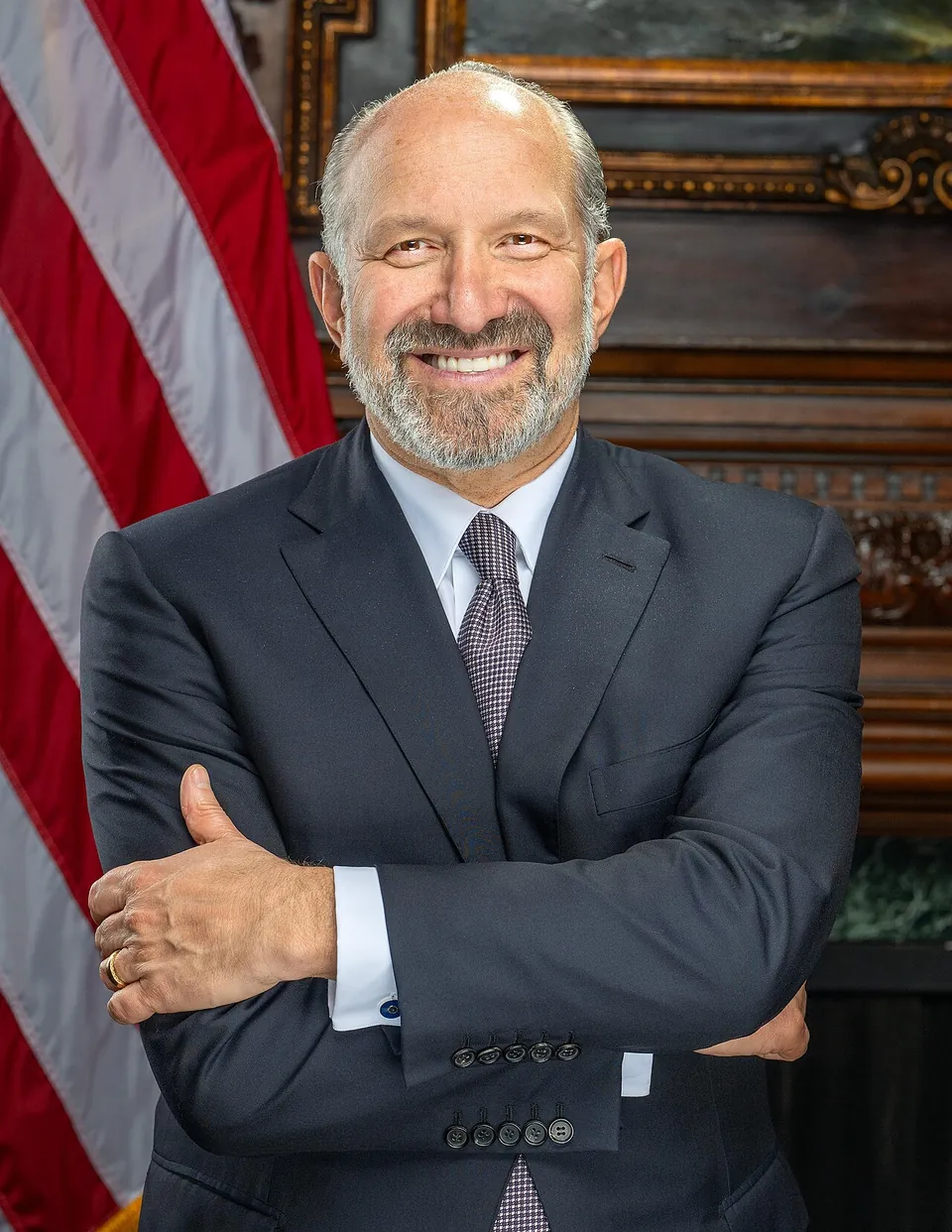
Scott requested Lutnick appear at a separate public hearing, and Lutnick agreed to testify voluntarily.13
Megaspeed’s sister company in Malaysia bought at least this much AI equipment containing Nvidia chips during the stated period.4
Nvidia shares closed down this amount on Thursday, at $166.19.4
Story
Two congressional inquiries put Nvidia’s exports and leadership under scrutinySenate Banking Committee Chairman Tim Scott has asked Nvidia chief executive Jensen Huang and Commerce Secretary Howard Lutnick to testify about developments involving the chipmaker.3 Scott requested Huang for a public hearing on December 3 and Lutnick for another on December 10, making the requests separate appearances rather than a joint session.3 The inquiry concerns whether Nvidia’s advanced artificial-intelligence chips reached Chinese companies and whether US export restrictions were properly applied.1 The committee’s attention therefore extends beyond the company’s conduct to the government’s handling of export controls and national-security issues.14
The Senate’s requests carry a possible enforcement step: Scott warned that the committee might issue subpoenas if the witnesses declined to come voluntarily.4 Lutnick has agreed to appear voluntarily, so his response addresses the request without the committee needing, at this stage, to compel his attendance.1 Scott’s letter asks Lutnick about public reporting on Nvidia and about the Commerce Department’s part in matters that raise national-security concerns.1 Scott has also described the committee’s remit as including export controls and their application to Nvidia’s sophisticated semiconductor exports.4
A second congressional track is proceeding in the House, where a committee requested private interviews with Huang on December 1 and Nvidia general counsel Tim Teter on December 2.4 The House committee chairs set a Friday 8 p.m. deadline for agreement to those interviews and warned that subpoenas could follow if the witnesses did not agree.4 The House also invited Commerce Under Secretary Jeffrey Kessler to a hearing on December 3, a date that coincides with the requested Senate appearance by Huang.34 The two inquiries are distinct: the Senate requested public hearings on different dates for Huang and Lutnick, while the House sought closed-door interviews and separately invited Kessler to testify.34
The House committee chairs characterized the national-security issues before them as urgent, while Scott said the public should receive answers about the security concerns.24 Lawmakers have criticized the administration for not placing dozens of Chinese companies on a US trade blacklist, adding a broader dispute about the reach of controls to the scrutiny of Nvidia.3 The specific export questions include whether advanced Nvidia chips were supplied to Chinese firms and whether restrictions on those exports were effectively enforced.1 The supported account connects the inquiries to oversight of chip exports to China, rather than treating the questions about Huang and Megaspeed as unrelated matters.1
Megaspeed, a Singapore-based Nvidia customer, is a central focus of the investigations into chip exports.4 Its sister company in Malaysia purchased at least $4.8 billion of artificial-intelligence equipment containing Nvidia chips from June 2024 through February 2026.4 That amount describes the equipment bought by the Malaysian sister company across the stated period; it is not presented as a figure for Nvidia’s revenue or for Megaspeed’s own purchases.4 Megaspeed told The New York Times that it had retained outside legal counsel to investigate internally, a response distinct from any formal congressional finding.4
Nvidia has said it follows US export laws, while its board reported that it had no reason to think national security or company secrets had been compromised.4 Those statements describe the company’s position; the listed facts do not establish the outcome of the congressional inquiries or resolve whether export controls were adequately enforced.14 Nvidia’s board announced an independent investigation on November 8 after reports about a relationship involving a woman suspected of connections to Chinese intelligence.6 China denied that the woman was a spy, a denial that forms part of the public record surrounding those reports.3
Huang resigned from Nvidia on Thursday amid reports of extramarital relationships, including one involving a woman whom US authorities suspect of spying for China.2 A Japanese report said Huang had led Nvidia as chief executive for 33 years, dating from the company’s founding in 1993.6 The same report identified chief financial officer Colette Kress as interim chief executive and Harvey Jones as the new board chair.6 Nvidia said it would consider candidates from within the company as well as outside it when seeking a permanent chief executive.6
The timing of the leadership change intersects with a scheduled financial update: Nvidia’s next quarterly earnings report was due Tuesday and was to be the first under interim chief executive Kress.4 Nvidia shares ended Thursday at $166.19, down 4.3%, while the company had shed almost $500 billion in market value since the November 6 close.4 A separate report said Nvidia’s market value had dropped below $4 trillion for the first time since July 2025, describing a threshold rather than the same measure as the day’s share-price move.2 These figures refer to different comparisons: the share-price change is for Thursday, the reported market-value loss starts from the November 6 close, and the $4 trillion figure marks a level the company fell beneath.24
The inquiries and leadership changes also sit within a wider set of reports about data-center plans: SoftBank Group announced a loss described as 6,000億円規模 in connection with changes to those plans at its November 10 earnings announcement.5 That reported SoftBank loss is tied to changes in data-center plans, not identified as a loss by Nvidia or as a measure of the company’s market-value decline.45 The supported reading of events is that Nvidia is managing a chief-executive transition while facing congressional scrutiny and an imminent quarterly report.4 The Senate requests, House interviews, export-control questions, and company statements remain separate parts of that scrutiny, with the stated facts supplying no final determination about the allegations.134
Structure
Who is connected to whom- 1Jensen Huang
- located in →Fact
- partners with →Fact
- ← depends onFact
- invests in →Fact
- uses →Fact
History
How it came to this- November 8Nvidia board announced an independent investigationThe announcement followed reports about a relationship with a woman suspected of links to Chinese intelligence.
- ThursdayHuang resigned from NvidiaThe resignation came amid reports of extramarital relationships, including one involving a woman US authorities suspect of spying for China.
- After the resignationSenate testimony requests and House inquiry advancedScott requested public testimony from Huang and Lutnick; a separate House inquiry sought closed-door interviews with Huang and Tim Teter.
- NowDecember 3 Requested Senate testimony by Huang
- December 1The House requested a closed-door interview with Huang.
Impact
Spreading outward, level by level- Level 1Senate testimony
The requests would put Huang and Lutnick before the Senate Banking Committee on separate dates. Scott warned that subpoenas could be used if requested witnesses did not appear voluntarily; Lutnick has agreed to appear voluntarily.134
Fact - Level 2Export-control oversight
The scrutiny concerns whether advanced Nvidia AI chips reached Chinese companies and whether export controls were adequately enforced, including the Commerce Department’s role in matters raising national-security concerns.14
Fact - Level 3Separate House inquiry
The House requested closed-door interviews with Huang and Tim Teter and invited Commerce Under Secretary Jeffrey Kessler to a hearing. Its chairs warned of possible subpoenas and called the national-security concerns urgent.4
Fact - Level 4Nvidia’s leadership and public response
Nvidia’s leadership transition is under way as it faces congressional scrutiny. The company says it complies with US export laws, and its board said it had no reason to believe national security or company secrets had been compromised; these statements do not resolve the inquiries.46
Fact
Ahead
Checked automatically when due; the result goes to the track recordThe House requested a closed-door interview with Nvidia General Counsel Tim Teter.
The Senate requested Huang for a public hearing; the House also invited Commerce Under Secretary Jeffrey Kessler to a hearing on this date.
The Senate requested Lutnick for a public hearing; he has agreed to appear voluntarily.
Nvidia’s next quarterly earnings report was scheduled for Tuesday and would be the first under interim CEO Colette Kress.
Sources
What each source supportsWritten by AI from the sources listed below: every fact was checked word for word against its source, and inference is marked apart. How we write