

Britain sanctions four Houthi officials over alleged abuses and attacks
The measures include asset freezes and travel bans, with director disqualifications also reported. The officials include Abdulkarim Amir al-Din Hussein Al-Houthi, Yemen’s Houthi-appointed interior minister in Sana’a since 2019.
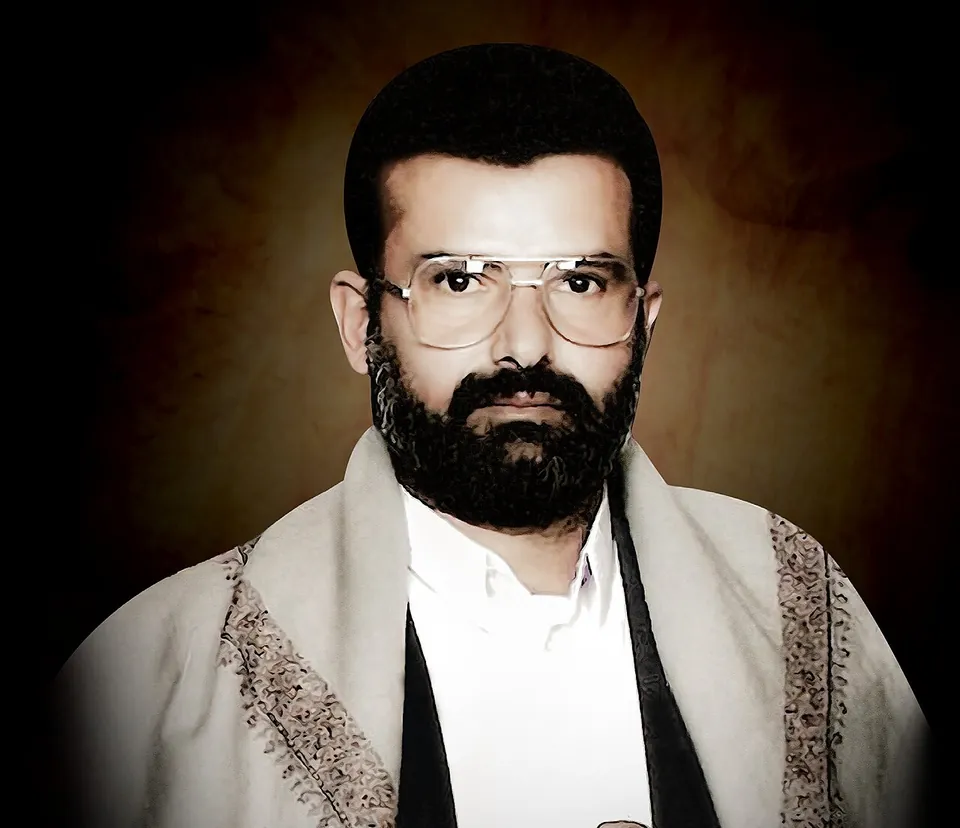
Britain imposed sanctions on four senior Houthi officials.1
Al-Houthi has held the interior-minister post in Sana’a since 2019.1
The UK’s stated Yemen humanitarian support for the year totals £104 million.1
Story
What Britain’s sanctions targetBritain has imposed sanctions on four senior Houthi figures, applying asset freezes and travel bans and, according to one report, barring them from serving as directors.12 The decision brings together allegations of abuses in detention with measures linked to Houthi attacks, rather than describing a single alleged act by one person.12 The four people named are Abdulkarim Amir al-Din Hussein Al-Houthi, Abdul Hakim Hashem Ali Al-Khaiwani, Mohammed Moufleh and Sarim Al-Din Muffadal.1 The reporting describes different alleged roles among them: ministerial and security leadership, a judicial position, and suspected involvement in sexual violence against women held in detention.1
The sanctions were announced on Wednesday, according to Al Jazeera, while The National reports the full set of measures as asset freezes, travel bans and director disqualifications.12 Al Jazeera specifies an asset freeze and travel ban for the four individuals; those two restrictions are also the measures described in the supported account comparing the reports.12 The director restriction appears in The National’s account, but not in the cited Al Jazeera description of the sanctions.12 The sources therefore agree on the financial and travel restrictions, while only one of these accounts names the additional disqualification from company directorships.12
Al-Houthi is the main subject of the allegations: he has held Yemen’s interior-minister post in Sana’a since 2019, according to The National.1 That report says he is accused of supervising security forces and detention sites where prisoners were tortured.1 Al Jazeera gives additional detail about the alleged treatment of detainees under his oversight, naming electric shocks, beatings and sexual violence alongside torture.2 These descriptions concern allegations about people held in detention; the reports do not establish in these facts that a court has determined Al-Houthi’s responsibility.12
Al-Khaiwani is identified by The National as head of the Houthi Security and Intelligence Service and as a former deputy interior minister.1 The two positions place him in security and government roles, as described by the report, though the cited fact does not specify a particular detention allegation against him.1 Moufleh is described as a judge appointed by the Houthis and is accused of a serious breach of one person’s liberty and security rights.1 The available account characterizes the accusation but supplies no further particulars about the individual or the circumstances behind the alleged rights violation.1
Muffadal is suspected of directly committing or allowing sexual violence, including rape, against women detainees, according to The National.1 Al Jazeera reports the UK government’s wording as “reasonably suspected” of directly perpetrating or permitting sexual violence against women in detention.2 The two accounts describe the allegation in closely related terms, with The National explicitly including rape and Al Jazeera attributing its formulation to the UK government.12 Both descriptions concern women detainees, and neither fact provides a count of the people affected or further detail about individual cases.12
The four sanctions are presented as measures against named individuals, not as a numerical estimate of how many people experienced the alleged abuses.1 The reporting identifies prisoners, detainees, women detainees and one individual whose liberty and security rights were allegedly violated, but gives no totals for those groups.12 The figure four counts the officials sanctioned; it should not be read as the number of victims or detention facilities.1 The facts also do not quantify the financial value of the frozen assets or state how long the travel restrictions will remain in force.12
The UK government said the measures reaffirm its position that Houthi aggression is unacceptable and that those responsible must face accountability.2 Al Jazeera links the sanctions to attacks on vessels in the Bab al-Mandeb Strait and strikes against Saudi civil infrastructure.2 That account sets out the attacks as part of the sanctions context, while the allegations against individual officials also concern detention and alleged abuse.12 The facts provided do not state that the four named officials personally carried out the vessel attacks or strikes on Saudi infrastructure.12
Britain has also recently led Security Council work to reinforce the Yemen sanctions regime, acting as the Council’s penholder on Yemen.1 This provides a wider diplomatic setting for the new measures, although the fact does not specify the substance or timing of the Council effort beyond describing it as recent.1 Separately, the UK announced £10 million in September for a United Nations humanitarian appeal.1 That contribution brought Britain’s stated humanitarian support for Yemen this year to £104 million, a broader aid total rather than a figure for sanctions or enforcement.1
The sanctions and the humanitarian contribution are distinct actions in the reported account: one restricts four officials, while the other supports a United Nations appeal.12 The £10 million announced in September is included in the stated £104 million total for UK humanitarian support to Yemen this year.1 The wider context therefore includes both Britain’s diplomatic role in Yemen sanctions work and its reported financial support for humanitarian relief.1 The cited facts do not connect the aid allocation to the sanctions, nor do they give a breakdown of how the humanitarian total is distributed.1
Disagreements
Where the sources do not matchWhether the sanctions also bar the officials from company directorships
The National1
Al Jazeera2
Possibly: The reports may differ in the measures they describe; Al Jazeera’s account does not explicitly say that director disqualifications were absent.
History
How it came to this- Since 2019Al-Houthi holds the interior-minister postThe National reports that he has served as interior minister in Sana’a since 2019.
- RecentlyBritain leads Security Council sanctions workThe UK recently led efforts to strengthen the Yemen sanctions regime as the Security Council’s penholder on Yemen.
- WednesdaySanctions announcedAl Jazeera reports the announcement of sanctions against the four individuals.
- Nowfour Houthi officials sanctioned by Britain
Impact
Spreading outward, level by level- Level 1Named officials
The sanctions impose asset freezes and travel bans on four senior Houthi officials; The National also reports director disqualifications.12
Fact - Level 2Alleged abuses in detention
The reporting describes allegations concerning torture and other mistreatment of detainees under Al-Houthi’s oversight, and suspected sexual violence against women detainees attributed to Muffadal.12
Fact - Level 3Stated policy context
The UK government says the measures reaffirm that Houthi aggression is unacceptable and that those responsible must be held to account. Al Jazeera links the sanctions to attacks on vessels in the Bab al-Mandeb Strait and strikes on Saudi civil infrastructure.2
Fact - Level 4Diplomacy and humanitarian support
The sanctions come in the context of Britain’s recent Security Council work on Yemen. Separately, the UK announced £10 million for a UN humanitarian appeal in September, bringing its stated Yemen support for the year to £104 million.1
Fact
Sources
What each source supportsWritten by AI from the sources listed below: every fact was checked word for word against its source, and inference is marked apart. How we write