

Army plans two blasts to destroy five tonnes of unstable lead azide in Iowa
The material is stored in 68 barrels at the Iowa Army Ammunition Plant, where officials warn of possible window damage and lead in the air. The Army has delayed the operation to Monday and is asking residents to leave during the work and settling period.
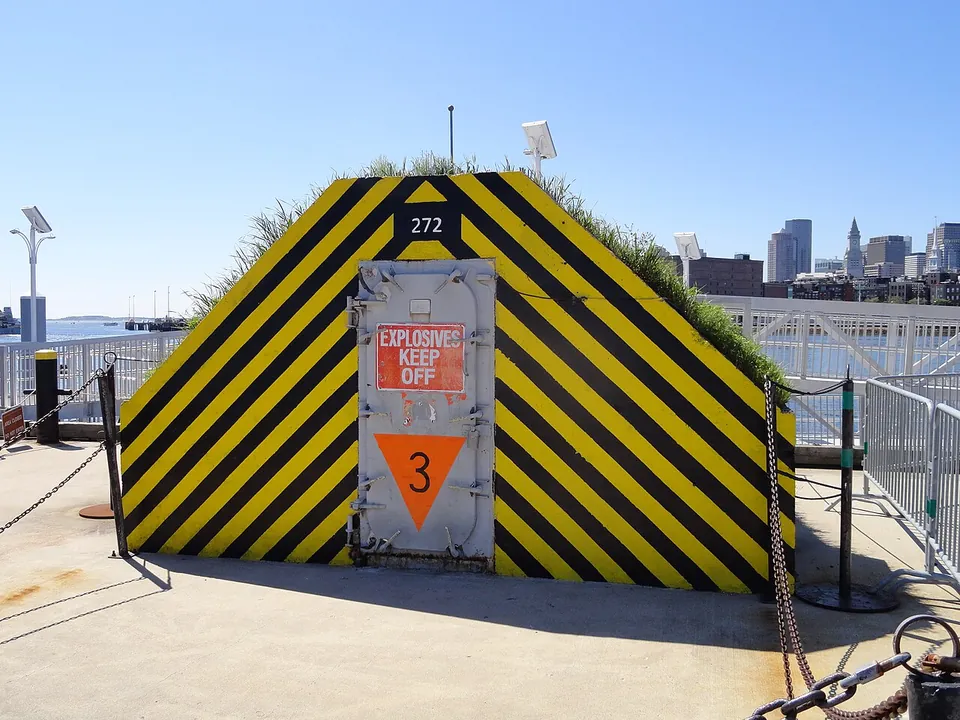
The unstable lead azide is stored in 68 barrels that officials say cannot be moved safely.1
The projected lead-dust plume could travel up to this distance from the detonation site.1
The Army Corps of Engineers plans to test these residents’ soil before the blast and offer testing afterward.1
Story
Why the Iowa detonation is planned, and what residents are being toldThe Army intends to destroy roughly five tonnes of unstable lead azide at the Iowa Army Ammunition Plant in Middletown, using two planned controlled explosions. The initial announcement described a Friday operation, but Acting Secretary of the Army Adam Telle later postponed the detonation to Monday, with public safety given as the leading concern.13 The quantity is held in 68 barrels, also described in reporting as 68 drums, and officials say the material has become too unstable to transport safely. The plan is therefore not to move the containers away from the site, but to destroy their contents where they are stored.13 This is a controlled operation, but the warnings describe consequences that could reach beyond the plant: nearby buildings may be damaged, windows may break, and lead may enter the air. The central trade-off in the official account is between leaving unstable explosive material in place and carrying out a blast that could create a short-lived dust plume.13 The EPA authorized the detonation through an emergency permit, saying the possibility of an accidental explosion posed an imminent and substantial threat to human health and the environment. A supported interpretation of the agencies’ decisions is that they judge the explosion danger to be greater than the potential lead-exposure danger from the planned destruction.13
The Army plans to place the barrels in earth-covered concrete magazines, with sand barriers around them, and to wet the soil above the structures. These measures are intended to limit how much lead becomes airborne during the explosions, rather than to remove the lead from the material before it is destroyed.3 The EPA’s permit also requires the Army to monitor specified rates of possible air and dust movement and to give public notice five days ahead. That condition makes the expected spread of the plume part of the operation’s monitoring and public-notification requirements, rather than an incidental detail.12 Officials expect the plume could travel as far as 100 miles, or 161 km, from the blast site. That distance is a maximum projected reach in the account, not a statement that every place within that radius will receive the same amount of dust.1 The Army’s review anticipates a brief, loud sound and a cloud of dust carrying lead that fades quickly, while finding no significant health effects expected. That assessment is presented alongside, not instead of, warnings that the blast could break windows and expose people to airborne lead.1
The evacuation request covers residents whose homes fall along the plume’s projected path, a group that includes thousands of people beyond Middletown. Nearly 400 people live in Middletown itself, so the wider warning area includes many more residents than the town’s reported population.12 Residents have been asked to leave for about six hours, from 08:00 until 14:00 local time, while the detonation takes place and dust settles. The request applies to the period around the operation, not to a stated longer-term relocation.3 For those who remain inside the plume path, the advice is to close windows and set indoor air systems to recirculate until the plume has passed. The choice described by officials is therefore evacuation where possible or measures to reduce contact with outside air for those who stay.1 The six-hour absence has been linked in a supported account to the expected time for the dust plume and window-breaking vibrations to run their course. That explanation connects the evacuation period to both airborne dust and physical effects from the blasts, rather than to the handling of the barrels alone.3
The Army Corps of Engineers plans to test soil for about 150 residents before the blast and to make testing available afterward as well. The figure refers to residents receiving soil testing, not to the total number of people in the plume path or the number expected to evacuate.123 The pre-operation tests provide a point of comparison with tests offered after the detonation, although the supplied account does not give results or describe how many people will take up the later offer. This testing is separate from the warning that lead could be present in air during the plume’s passage.1 The health warning singles out children and pregnant women because lead exposure can cause developmental and reproductive harm. The account identifies these groups as especially vulnerable, without giving exposure levels or predicting that any particular resident will suffer harm.1 The expected quick disappearance of the dust cloud and the Army’s finding about significant health effects do not erase the specific precautions officials have issued. Residents are still advised either to leave or to limit the entry of outside air, and soil testing is planned around the blast.1
The postponement changed the planned day from Friday to Monday, according to the sequence of reports, but the supplied facts do not give calendar dates for either day. Telle’s stated reason was public safety, while the EPA’s permit rationale focused on the threat posed by an accidental explosion.13 These are distinct official actions: the Army set and then delayed the operation, while the EPA granted the emergency authorization for it. The permit requires monitoring of possible dispersion and advance public notice, adding conditions to the Army’s handling and detonation plan.123 The planned blast is intended to address a hazard that officials say cannot be managed by safely moving the stored lead azide. The emergency authorization rests on the risk that the material could explode accidentally, while the operational plan seeks to reduce lead dispersal during its destruction.13 The supported comparison between those risks helps explain why the agencies have proceeded despite the possibility of airborne lead. It does not establish that exposure will occur at any particular level, or that the operation will produce no effects; the account instead pairs a low expected health impact with direct warnings and precautions.1
Structure
Who is connected to whom- 1Iowa Army Ammunition Plant
- produces →Fact
- located in →Fact
History
How it came to this- Friday (calendar date not given)Initial operation plannedThe Army initially planned to detonate approximately five tonnes of unstable lead azide at the Iowa Army Ammunition Plant.
- Later report; calendar date not givenDetonation postponed to MondayActing Secretary of the Army Adam Telle delayed the operation, citing public safety as the top priority.
- Before the planned detonation; calendar date not givenEmergency permit and public-notice conditionsThe EPA authorized detonation because of the danger of accidental explosion; the permit requires dispersion tracking and public notice five days in advance.
- Nowapproximately five tonnes Lead azide explosives planned for on-site detonation
- Monday; calendar date not givenThe Army’s planned detonation is set for Monday after being delayed from Friday. Residents have been asked to leave for about six hours, from 08:00 to 14:00 local time.
Impact
Spreading outward, level by level- Level 1Nearby properties and air
Officials warn that the explosions could damage buildings or break windows and expose people to airborne lead. The Army expects a brief, loud noise and a quickly fading dust cloud, with no significant health effects expected according to its review.13
Fact - Level 2Residents in the projected plume path
Residents are advised to evacuate or, if they stay, keep windows closed and recirculate indoor air until the plume passes. The projected plume could extend up to 100 miles (161 km).1
Fact - Level 3Communities beyond Middletown
Nearly 400 people live in Middletown, with thousands more in the projected plume path; the warning area therefore reaches beyond the town itself.2
Fact - Level 4People more vulnerable to lead
Children and pregnant women are identified as especially vulnerable because lead exposure can cause developmental and reproductive harm.1
Fact
Ahead
Checked automatically when due; the result goes to the track recordThe Army’s planned detonation is set for Monday after being delayed from Friday. Residents have been asked to leave for about six hours, from 08:00 to 14:00 local time.
The EPA permit requires public notification five days in advance and tracking of specified rates of possible air and dust dispersion.
The Army Corps of Engineers plans soil testing for about 150 residents before the detonation and will offer testing afterward.
Sources
What each source supportsWritten by AI from the sources listed below: every fact was checked word for word against its source, and inference is marked apart. How we write