

Card payments reach 45% of euro‑area shop transactions in 2026, edging past cash
Physical cards accounted for 45% of point‑of‑sale payments while cash fell to 44% in 2026. Mobile payments grew to 9%, and consumer preferences show a split between digital and cash options.
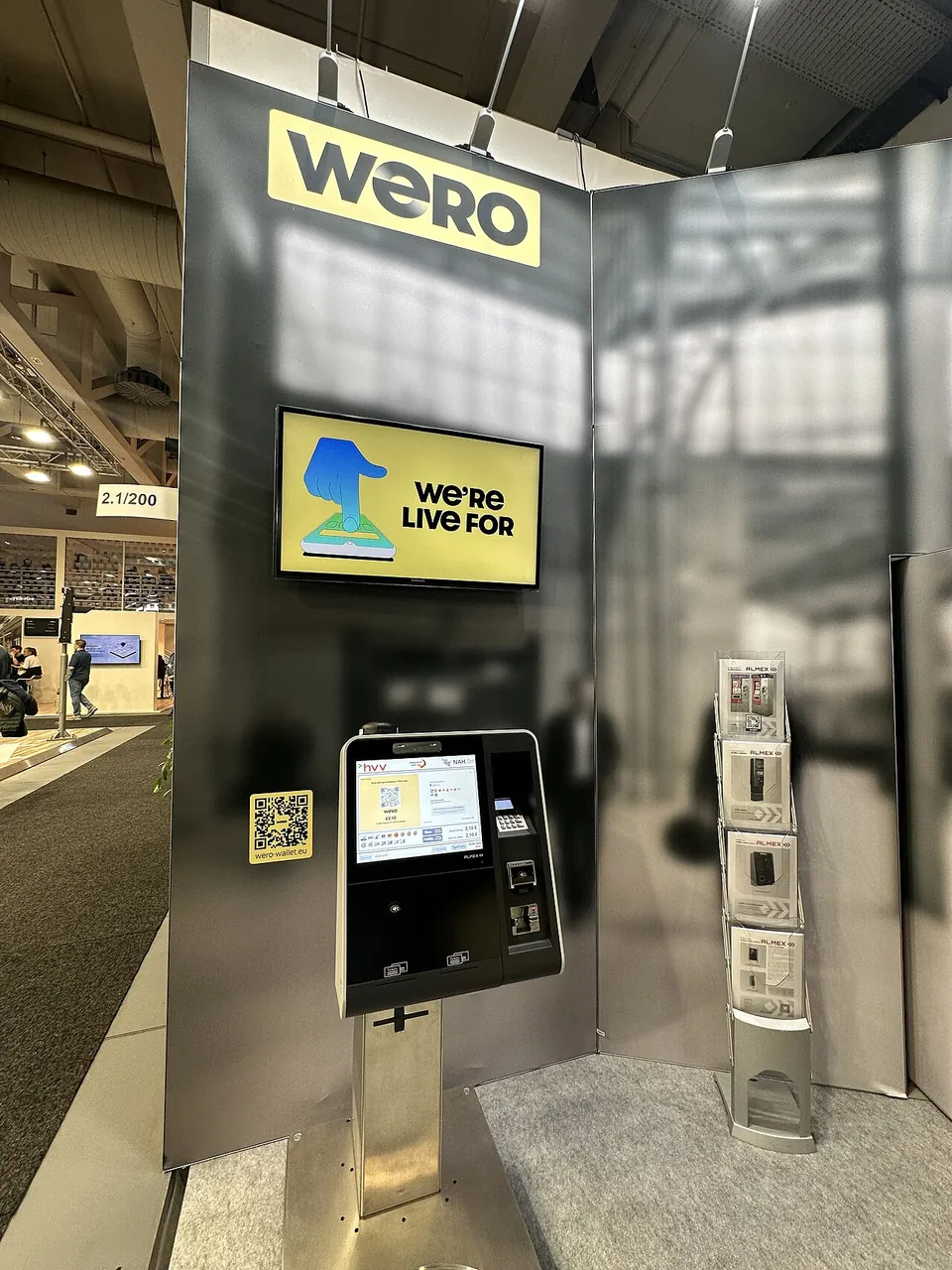
Physical cards accounted for 45% of euro-area shop payments in 2026.1
Cash made up 44% of shop payments in the euro area in 2026.1
Mobile payments represented 9% of shop transactions in 2026, compared with 6% in 2024.1
Story
ECB data show cards surpass cash in euro‑area retail paymentsIn 2026, physical cards were used for 45% of shop payments across the euro area, while cash accounted for 44% of the same transactions.1 Mobile payments represented 9% of shop transactions, an increase from 6% recorded in 2024.1 These figures come from the European Central Bank’s SPACE survey, which sampled 51,551 respondents.1 The card and cash shares were close, but cards represented the larger portion of shop payments in 2026.1 The mobile share rose by three percentage points between 2024 and 2026, though it remained below the shares for cards and cash.1 These figures describe payment transactions, rather than the preferences consumers expressed when asked how they wanted to pay.1 The survey’s 51,551 respondents provide the scope of the evidence behind these euro‑area findings.1
When asked about payment preferences, 54% of consumers indicated a preference for cards or other cashless methods.1 Conversely, 22% still preferred cash, and 23% reported no clear preference between cash and digital options.1 The 54% who preferred cashless methods made up more than half of shop‑paying consumers, while about one in five preferred cash.1 The 23% without a clear preference show that some consumers did not choose one side of the cash-versus-digital divide.1 Preferences do not mirror the transaction shares exactly: the survey reports 54% preferring cashless methods, compared with cards making up 45% of payments.1 Taken together, the preference figures indicate that cashless methods lead, while cash and undecided consumers remain significant parts of the picture.1
A large majority, 82%, consider it important to have the ability to pay digitally, while 62% deem the option to pay with cash important.1 Only 3% of respondents said they never used cash.1 The digital-payment figure is higher than the cash figure, indicating that more consumers rated digital payment access as important.1 Still, the cash figure shows that a majority also valued having the option to use cash.1 The small share who never use cash contrasts with the much larger share who consider cash access important.1 These results distinguish between valuing an option and using it: the survey separately records the importance of access and whether respondents ever use cash.1 The figures point to a broad interest in keeping both kinds of payment available, rather than a uniform move away from cash.1
Access to cash appears to be becoming slightly more difficult, with the share of respondents finding cash easy to obtain falling to 85% in 2026 from 87% in 2024.1 Additionally, 19% of those who attempted an ATM withdrawal in the previous year reported difficulties.1 The two‑percentage‑point decline in reported ease of access was measured between 2024 and 2026.1 The ATM figure describes a different group: people who tried to withdraw cash during the previous year, not all respondents.1 Together, the figures show that most respondents still found cash easy to access, while some ATM users encountered problems.1 For consumers who depend on withdrawing cash, the reported ATM difficulties are a relevant part of the access picture.1
The survey also found that, in every euro‑area country, at least 12% of consumers had a mobile or card payment refused at some point in the month before the survey.1 This minimum applied country by country, so the reported issue was not confined to one part of the euro area.1 The figure concerns consumers who experienced at least one non‑acceptance during that month, rather than the share of all transactions that failed.1 Because both mobile and card payments are included, the result covers more than one form of cashless payment.1 Consumers using either method may therefore encounter acceptance problems even as cashless payments remain widely preferred.1 The survey reports this alongside ATM withdrawal difficulties, highlighting separate practical obstacles involving digital and cash payments.1
The SPACE study’s information was gathered in two periods: 29 September–27 November 2025 and 16 March–15 May 2026.1 Earlier editions of the SPACE study were published in 2019, 2022 and 2024, providing a longitudinal view of payment trends.1 The two collection windows fell in different years, with one in late 2025 and the other in spring 2026.1 The cited earlier editions give the study a publication history reaching back to 2019.1 This context identifies when the survey evidence was collected and which previous editions the ECB had published.1 The sample size of 51,551 respondents offers further context for interpreting the survey’s euro‑area results.1
Piero Cipollone, a member of the ECB’s Executive Board, emphasized that digital payments are gaining importance but that choice remains crucial for Europeans.1 His remarks frame growing interest in digital payments as compatible with the importance of allowing consumers to choose.1 That emphasis reflects the survey’s findings that many value digital access and many also value cash access.1 The preference figures likewise include cashless supporters, cash supporters and consumers with no clear preference.1 Cipollone’s point is therefore about the importance of choice alongside the increasing role of digital payments.1
The ECB reiterated its commitment to safeguard cash while also preparing for a possible digital euro issuance.1 The policy description names both continued protection for cash and preparation for a digital euro that may be issued.1 That dual approach is consistent with survey results showing that consumers value both digital and cash payment options.1 It also reflects the reported preferences: more consumers preferred cashless methods, but a share still preferred cash.1 The ECB’s statement describes preparation for a possible issuance, not a claim that a digital euro has already been issued.1
Overall, the 2026 figures illustrate a near‑parity between card and cash usage in retail, a modest rise in mobile payments, and persistent consumer demand for both digital and cash options.1 Cards were only one percentage point ahead of cash in shop payments, while mobile payments remained a smaller share despite their increase.1 The preference results add another dimension: more consumers favored cashless methods, but many also valued cash or had no clear preference.1 Consumers who consider digital access important are not the only group whose needs matter; the cash-access figures also describe practical concerns for cash users.1 The reported non‑acceptance of card or mobile payments further shows why payment availability matters to consumers using cashless methods.1 The combined findings support a picture of changing payment habits without evidence that cash has become irrelevant to consumers.1
History
How it came to this- 2019, 2022 and 2024Earlier SPACE editionsThe ECB published previous editions of the study in these years.
- 29 September–27 November 2025First survey collection periodThe SPACE study collected data during this period.
- 16 March–15 May 2026Second survey collection periodThe study’s other data-collection period took place in spring 2026.
- 2026Cards led shop-payment sharesPhysical cards accounted for a larger share of shop payments than cash.
- Now45% Physical cards’ share of euro-area shop payments in 2026
Impact
Spreading outward, level by level- Level 1Payment mix
Cards represented 45% of shop payments and cash 44%; mobile payments accounted for 9%.1
Fact - Level 2Consumer preferences
Cashless methods were preferred by 54% of shop-paying consumers, while 22% preferred cash and 23% had no clear preference.1
Fact - Level 3Payment access
In every euro-area country, at least 12% of consumers experienced non-acceptance of a mobile or card payment at least once in the month before the survey.1
Fact - Level 4ECB policy context
The ECB says it will continue safeguarding cash while preparing for a possible digital euro issuance.1
Fact
Sources
What each source supportsWritten by AI from the sources listed below: every fact was checked word for word against its source, and inference is marked apart. How we write