

Senate panel rejects O’Neill for NSF chief amid Cassidy’s science concerns
The Senate health, education, labor and pensions committee rejected Jim O’Neill’s nomination to lead the National Science Foundation. Cassidy questioned his record in federal health roles, while the White House has not withdrawn the nomination.
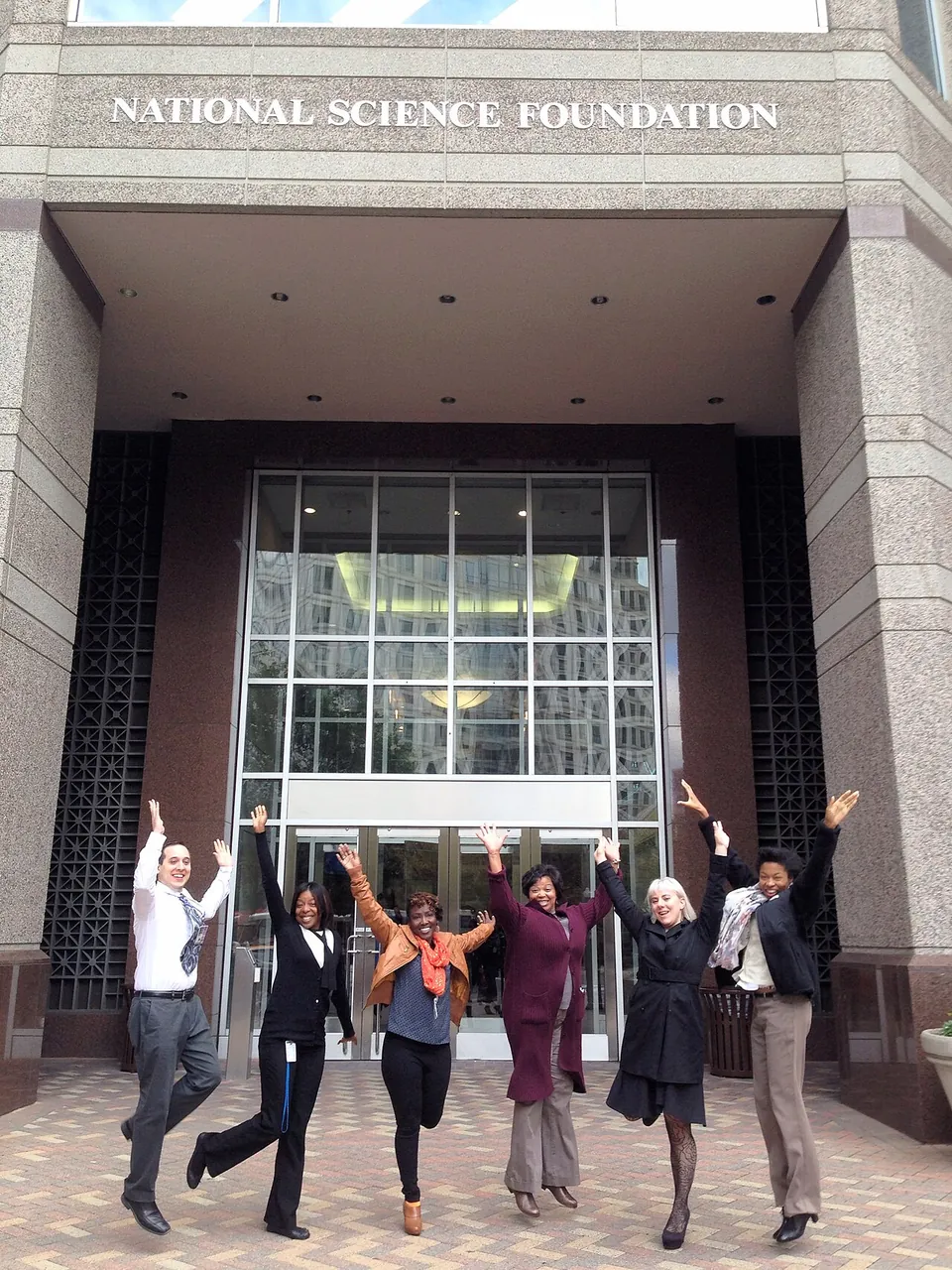
If confirmed, O’Neill would have led the National Science Foundation for six years.2
O’Neill served as acting CDC director during this period.1
O’Neill served as HHS deputy secretary during this period.1
Story
A committee rejection leaves the NSF leadership question openThe Senate health, education, labor and pensions committee rejected Jim O’Neill’s bid to lead the National Science Foundation, a decision that prevents his nomination from advancing through that panel.12 Committee chair Bill Cassidy said O’Neill had not sufficiently defended science in earlier government positions, making his record the stated basis for the opposition.1 The rejection concerns a proposed appointment to the NSF, rather than a reported change in the agency’s scientific work or its programs.1 STAT reported that O’Neill would have led the foundation for six years if confirmed, so the committee decision concerns a substantial proposed term in the agency’s top role.12
The committee’s action came after Cassidy said O’Neill’s prior record did not give him confidence that the nominee would defend science in the NSF position.12 STAT described Cassidy as doubtful about O’Neill’s commitment to scientific integrity, while The Guardian reported Cassidy’s concern about his earlier performance in public roles.12 The committee did not advance the nomination, and STAT reported that Cassidy canceled the confirmation vote because he lacked the support needed to move it forward.12 These accounts describe a panel-level rejection and a canceled vote; they do not say that the White House withdrew O’Neill’s nomination.12
“stand up for science”Bill Cassidy, The Guardian
Cassidy’s criticism drew on O’Neill’s government service, including his time as acting director of the Centers for Disease Control and Prevention.1 O’Neill held that acting CDC role from August 2025 through February 2026, a period Cassidy cited when discussing his conduct in office.1 Cassidy said O’Neill had not challenged what he characterized as irresponsible decisions and statements by Secretary Kennedy while O’Neill was at the CDC.1 That criticism was Cassidy’s assessment of O’Neill’s actions at the CDC; the available account does not provide a separate response from O’Neill.1
Cassidy also questioned O’Neill’s connection to the firing of Susan Monarez and whether that episode raised concerns about his independent judgment in the NSF role.1 The stated concern linked an earlier personnel matter to the kind of independent judgment Cassidy wanted from a nominee to lead the science agency.1 O’Neill had another senior health department position before his proposed NSF appointment, serving as deputy secretary of the Department of Health and Human Services.1 His deputy secretary service ran from June 2025 to February 2026, overlapping with the period when he was acting CDC director from August 2025 to February 2026.1
During O’Neill’s deputy secretary period, HHS reduced recommendations for routine childhood immunizations, a policy change that forms part of the record surrounding his nomination.1 The account establishes that the recommendations were cut during his tenure, but it does not specify their number or describe the effect on children or families.1 Cassidy’s publicly reported objections addressed O’Neill’s response to Kennedy at the CDC and his role in the Monarez firing, alongside the concerns about independent judgment.1 The committee rejection therefore sits alongside criticism of actions in health agencies, while the nomination at issue is for leadership of the NSF.1
The White House had not withdrawn O’Neill’s nomination after the committee rejected it, leaving the nomination’s status distinct from the panel’s decision.1 The Guardian contrasted that status with the administration’s earlier withdrawal of Heidi Overton’s nomination to serve as FDA commissioner.1 Cassidy said senators opposed to abortion sought assurances about Overton’s position, and that those assurances were not provided before her nomination was withdrawn.1 That episode concerns a different nominee and a different agency post; the reported reason involved the assurances sought about abortion, not the science concerns raised about O’Neill.1
The Senate’s broader confirmation timetable provides another piece of context: the Republican-led chamber is trying to hold confirmation hearings before it loses its majority in January.1 The reported timetable concerns confirmation hearings generally and does not establish a specific deadline for resolving O’Neill’s nomination.1 At the NSF, chief of staff Brian Stone is currently carrying out the director’s duties, according to The Guardian.1 Stone has also announced that he will retire at the end of the year, placing the acting arrangement and his stated retirement in the same account of the agency’s leadership.1
The panel’s decision and the White House’s choice not to withdraw the nomination are separate developments: one is a committee rejection, while the other leaves the nomination in place.1 STAT reported Cassidy’s explanation that he canceled the vote because O’Neill did not have enough backing to advance.2 The Guardian reported that Cassidy tied his opposition to O’Neill’s performance in earlier posts, including his response to decisions and statements by Kennedy at the CDC.1 Together, the reports describe the reason given for the committee setback and the current fact that Stone is performing the NSF director’s duties.12
The central question in the reported dispute is whether O’Neill’s previous conduct gave Cassidy confidence in his ability to lead the NSF, rather than whether the agency’s work had changed.1 Cassidy’s account connects that judgment to O’Neill’s CDC service and to concerns about his role in the Monarez firing.1 O’Neill’s proposed six-year leadership term, the committee’s rejection, and the White House’s decision not to withdraw the nomination describe different aspects of the same appointment process.12 For now, the reported operational arrangement is that Stone performs the director’s duties, while the committee’s opposition has blocked O’Neill’s nomination from advancing through that panel.1
Structure
Who is connected to whom- 1National Science Foundation
- partners with →Fact
- invests in →Fact
- finances →Fact
- partners with →Fact
- invests in →Fact
History
How it came to this- June 2025O’Neill becomes HHS deputy secretaryHe served in the role through February 2026; during that tenure, HHS cut recommendations for routine childhood immunizations.
- August 2025O’Neill begins serving as acting CDC directorHis acting service continued through February 2026.
- During O’Neill’s CDC serviceCassidy criticizes his response to KennedyCassidy said O’Neill did not push back against what he called irresponsible decisions and statements by Secretary Kennedy.
- Committee considerationCassidy cancels the confirmation voteSTAT reported Cassidy said O’Neill lacked the support to advance; the committee rejected the nomination.
- NowRejected Senate committee rejects Jim O’Neill’s NSF director nomination
- Nomination statusWatch whether the White House changes its position on O’Neill’s nomination, which it had not withdrawn after the committee rejection.
Impact
Spreading outward, level by level- Level 1Nomination process
The committee rejected O’Neill’s nomination, preventing it from advancing through that panel; the White House had not withdrawn it.1
Fact - Level 2NSF leadership
NSF chief of staff Brian Stone is performing the director’s duties and has announced he will retire at the end of the year.1
Fact - Level 3Basis for Cassidy’s opposition
Cassidy cited O’Neill’s response to Kennedy at the CDC and raised concerns about O’Neill’s role in Susan Monarez’s firing and its implications for his independent judgment.1
Fact - Level 4Wider confirmation timetable
The Republican-led Senate is trying to hold confirmation hearings before losing its majority in January; the reported timetable does not specify a deadline for resolving O’Neill’s nomination.1
Fact
Ahead
Checked automatically when due; the result goes to the track recordWatch whether the White House changes its position on O’Neill’s nomination, which it had not withdrawn after the committee rejection.
The Republican-led Senate is trying to push confirmation hearings before losing its majority; the reported account gives no specific date for an O’Neill hearing or decision.
Sources
What each source supportsWritten by AI from the sources listed below: every fact was checked word for word against its source, and inference is marked apart. How we write