

FCC authorizes up to 1 million SpaceX Starmind satellites
The approval permits an orbital constellation of compute modules and sets milestones extending to 2040. It also includes specified radio links, while the FCC deferred one disposal request.
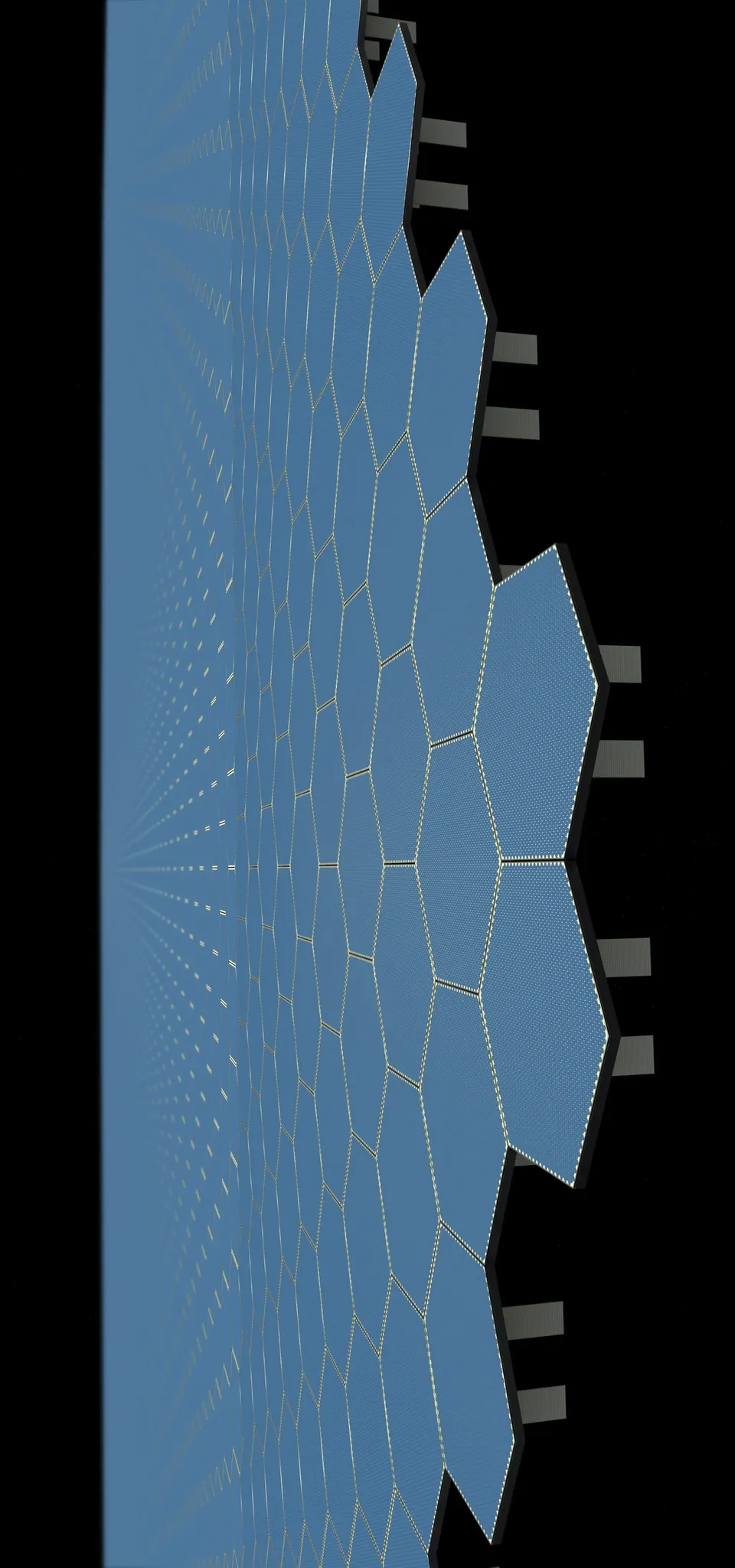
SpaceX is required to launch at least one satellite by 2033.1
The authorization sets 2040 as the deadline for meeting the million-satellite milestone.1
The FCC deferred the request to dispose of satellites above this altitude in graveyard orbits.1
Story
What the FCC’s Starmind authorization allowsThe Federal Communications Commission has authorized SpaceX to deploy as many as 1 million satellites equipped with AI chips under its Starmind initiative.1 The agency’s decision also allows SpaceX to establish a constellation of up to 1 million orbital compute modules, intended to handle large volumes of data for use on Earth.2 The authorized ceiling describes the maximum permitted scale, rather than stating that SpaceX has already launched or deployed that many satellites.12 The Verge AI reports that this is the first time in U.S. history that a full constellation of AI satellites has received approval.1
The authorization sets an initial deadline as well as a later target for the constellation.1 SpaceX is required to launch at least one satellite by 2033, according to the reported approval terms.1 The separate 2040 requirement is to meet the 1 million satellite milestone.1 These milestones distinguish the first required launch from the later scale target; the facts provided do not specify intermediate launch totals or a year-by-year schedule.1
The plan concerns orbital computing equipment, not only satellites described by their AI chips: the FCC’s authorization also refers to orbital modules that process data for use on Earth.12 The two descriptions identify the same Starmind initiative while emphasizing different aspects of it: the chips in one account and the compute modules and their data-processing purpose in the other.12 The available facts do not say how many modules would be on each satellite, or give a separate total for modules apart from the satellite limit.12 The scale that the FCC permits is therefore expressed as a ceiling of 1 million satellites or orbital compute modules in the respective accounts, not as a reported count already in orbit.12
The authorization includes radio-frequency links for backup and for emergency telemetry, tracking and command, abbreviated TT&C.2 For downlink, the approved frequency band is 18.8–19.3 GHz; for uplink, it is 28.6–29.1 GHz.2 Those ranges specify the bands named in the authorization, while the separate description of the radio links identifies their backup and emergency TT&C role.2 The facts do not provide a data rate, a number of links, or additional technical detail about how the links would operate.2
The FCC deferred, rather than granted in this decision, SpaceX’s request concerning disposal of satellites above 600 km in graveyard orbits.1 That unresolved request is distinct from the authorization to establish Starmind and from the approval’s launch and constellation-size milestones.12 The reported decision does not state when the FCC will resolve the deferred disposal request.1 The 600 km figure applies to the satellites addressed by that request; it is not presented as a general operating altitude for the whole constellation.1
The FCC said that the Starmind plan satisfies the agency’s rules on orbital debris.2 Separately, the approval has been described as a signal of regulatory confidence that the constellation will meet orbital-debris mitigation standards; this is a supported interpretation, not a separate reported finding about future performance.2 The two statements concern the same regulatory subject but differ in form: one reports what the FCC said about the plan, and the other characterizes what the approval signals.2 Neither statement supplies additional measurements of debris, a satellite-disposal schedule, or a separate outcome for the request the FCC deferred.12
The FCC’s action authorizes SpaceX’s Starmind constellation, while the agency says it will keep examining other proposals for orbital data centers.2 The agency intends to issue decisions on those additional proposals expeditiously.2 That stated intention concerns the FCC’s review of other proposals; it does not supply a date for a decision on any particular proposal.2 The available facts thus place the SpaceX authorization within a continuing review of orbital data-center proposals, without identifying how many other proposals are under consideration.2
The reported size of the authorization is unusually large in the context given: it permits up to 1 million satellites, and the FCC approval is described as the first U.S. approval for a full AI-satellite constellation.1 The 2033 requirement is a minimum of one launch, whereas the 2040 milestone concerns reaching the 1 million satellite target.1 Those figures measure different requirements and should not be read as equivalent counts: one sets a first-launch deadline, and the other sets a later constellation milestone.1 No launch progress, deployed total, or intermediate milestone is given in the facts about the authorization.1
For SpaceX, the decision establishes permission to build Starmind up to the stated ceiling and attaches launch and scale deadlines to that permission.12 For the FCC, the action combines approval of the constellation with a finding that the plan meets orbital-debris rules, while leaving the above-600-km disposal request unresolved.12 Its radio-frequency provisions identify backup and emergency TT&C links and set out distinct uplink and downlink bands.2 The broader regulatory context in the reported facts is the FCC’s ongoing review of other orbital data-center proposals and its stated intention to decide them expeditiously.2
Structure
Who is connected to whom- 1SpaceX
- uses →Fact
- ← partners withFact
- ← customer ofFact
- acquires →Fact
- ← ownsFact
History
How it came to this- 2026-11-24Earlier SpaceX-related signalAn earlier signal concerned a state lawsuit over sexual image generation involving Grok Imagine; it does not establish a step in the FCC authorization.
- In the authorizationFCC permits StarmindThe FCC authorized the constellation, described as up to 1 million AI-chip-equipped satellites or orbital compute modules.
- By 2033First launch requirementSpaceX must launch at least one satellite by this deadline.
- By 2040Constellation milestoneSpaceX must meet the 1 million satellite milestone.
- Now1 million Maximum authorized Starmind satellite constellation
- By 2033Watch whether SpaceX meets the authorization's requirement to launch at least one satellite.
Impact
Spreading outward, level by level- Level 1SpaceX's authorization
SpaceX may establish Starmind up to the authorized ceiling; the approval also requires an initial launch by 2033 and the million-satellite milestone by 2040.12
Fact - Level 2Communications and operations
The authorization includes RF links for backup and emergency TT&C, with downlink at 18.8–19.3 GHz and uplink at 28.6–29.1 GHz.2
Fact - Level 3Orbital-debris review
The FCC said the plan meets its orbital-debris rules, but deferred the separate request about disposal of satellites above 600 km in graveyard orbits.12
Fact - Level 4Broader regulatory context
The FCC says it will continue reviewing other orbital data-center proposals and intends to decide them expeditiously; no date for a particular decision is given.2
Fact
Ahead
Checked automatically when due; the result goes to the track recordWatch whether SpaceX meets the authorization's requirement to launch at least one satellite.
The FCC deferred SpaceX's above-600-km graveyard-orbit disposal request; the facts provide no date for a decision on it.
The FCC intends to issue decisions expeditiously on additional orbital data-center proposals, without identifying a date for any particular proposal.
Sources
What each source supportsWritten by AI from the sources listed below: every fact was checked word for word against its source, and inference is marked apart. How we write