

UK imposes asset freezes on eight Israeli settlement construction firms
The measures also target the settler group Tzav 9 over aid blockades to Gaza. They were announced shortly before the E1 construction-tender deadline, amid worsening UK-Israel relations and separate UK moves on settlement goods and services.
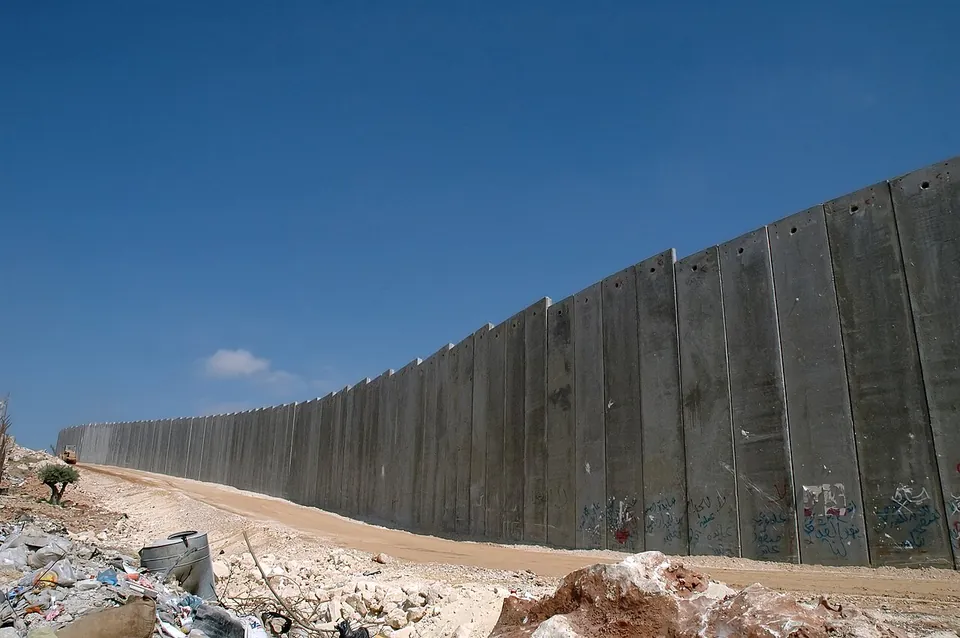
The UK imposed asset freezes on eight Israeli construction companies involved in West Bank settlement building.1
The BBC placed the announcement two days before bids were due for construction tenders in E1.2
The reporting names Har Hevron Development Company Ltd, Hemdat Shomron Ltd and SAG (Velvel) Construction and Development Ltd among the sanctioned firms.1
Story
A sanctions package aimed at settlement construction and aid obstructionThe United Kingdom has imposed asset-freeze sanctions on eight Israeli construction firms linked to settlement building in the occupied West Bank.1 The measures are the first package since the UK said it would take a tougher approach to Israeli actions in the territory.2 The BBC reported that the sanctions are intended to disrupt the firms’ access to finance and their capacity to assist construction in the West Bank.2 Alongside the companies, the UK has sanctioned Tzav 9, a settler group that it says organised efforts to stop aid from reaching Gaza.12
The company list includes Har Hevron Development Company Ltd, Hemdat Shomron Ltd and SAG (Velvel) Construction and Development Ltd.1 Those named firms are part of the wider group of eight construction companies covered by the UK’s asset freezes, rather than a separate set of measures.1 The sanctions concern firms involved in building settlements; the BBC describes their practical target as the companies’ finance and ability to support construction.12 The reporting does not give a monetary value for the assets affected, or a separate count of projects for each company.12
The announcement came close to the final tender deadline for the E1 settlement project, an area east of Jerusalem.12 The BBC placed the announcement two days before bids were due for construction tenders there, while Al Jazeera described it as shortly before the final deadline.12 The project is described as one that would divide the West Bank and separate it from occupied East Jerusalem.1 Miliband argued that development in E1 would make a two-state solution unworkable by cutting across Palestine.2
The UK’s foreign secretary, Ed Miliband, presented protection of the two-state solution as the guiding principle for the government’s approach.1 He warned companies against bidding for, building, or earning money from activity that he said would undermine that outcome.1 The timing alongside the E1 tender deadline is presented in a supported interpretation as an effort to discourage participation in the bidding.1 That interpretation concerns the tender process; the reported formal purpose of the sanctions is to disrupt the eight firms’ finance and construction support.12
Tzav 9 is targeted for regularly obstructing humanitarian aid trucks travelling to Gaza, according to Al Jazeera’s account of the UK measure.1 The BBC likewise reported that the UK said the group had organised blockades intended to keep aid out of Gaza.2 Al Jazeera linked the sanction to a Foreign and Commonwealth Office note saying thousands of families in Gaza faced severe need after floods described as catastrophic.1 A supported interpretation of the package is that it addresses settlement growth and the obstruction of humanitarian assistance in Gaza together.1
The sanctions arrive amid a deterioration in relations between Britain and Israel over the past three years, associated with the Gaza war and plans to expand settlements.1 In September, Israel threatened to shut the British consulate in East Jerusalem in response to London’s trade sanctions on Israeli settlements.1 British and Israeli diplomats then reached an agreement at the last moment that prevented the consulate from closing.1 The consulate episode shows a separate point of tension in the relationship; it was resolved through that diplomatic agreement, according to Al Jazeera.1
The sanctions also sit within changes to the UK’s legal framework: last month, it broadened its human-rights sanctions regime.2 The revised regime permits measures against people and companies involved in breaches of international humanitarian law anywhere in the world.2 Separately, the UK is preparing legislation that would prohibit imports of settlement goods and advertising services in the UK for settlement properties.2 In September, the UK announced an import ban on goods from Israeli settlements and actions against people and companies supplying services for settlement expansion.2
The BBC reported that Israel has constructed about 160 settlements since 1967, with 700,000 Jews living in them.2 The same report estimated that 3.3 million Palestinians live alongside those settlements, giving a wider population context to the West Bank measures.2 The BBC also reported that settler assaults on Palestinians and their belongings in the West Bank have increased since the Gaza war began.2 The report said the war was triggered by Hamas on 7 October 2023; it did not provide a count of attacks in the cited account.2
Taken together, the measures described here cover two different targets: eight construction firms connected to settlement building and a group accused of blocking aid to Gaza.12 The reported company count is eight, while the account identifies three firms by name and does not provide a corresponding number of affected aid trucks or families.1 The UK’s stated measures therefore span financial restrictions on construction firms, sanctions on Tzav 9, and separate announced or developing rules concerning settlement goods and services.12 The government’s stated position connects these actions to protecting a two-state solution, while the reported context includes humanitarian need in Gaza and settlement activity in the West Bank.12
Structure
Who is connected to whom- 1United Kingdom
- sanctions →Fact
- partners with →Fact
- requires →Fact
- part of →Fact
- member of →Fact
History
How it came to this- Since 1967Settlement constructionThe BBC reported that Israel has built settlements in the West Bank since 1967.
- 7 October 2023Gaza war beginsThe BBC reported that the Gaza war began after Hamas’s actions on this date.
- SeptemberUK announces settlement-related measuresThe UK announced a ban on imports of settlement goods and actions against those providing services for settlement expansion.
- SeptemberConsulate closure threat avoidedIsrael threatened to close the British consulate in East Jerusalem over UK trade sanctions; diplomats reached an agreement to prevent closure.
- Last monthHuman-rights sanctions regime expandedThe UK expanded the regime to allow sanctions on individuals and companies involved in international humanitarian law violations anywhere in the world.
- Two days before the E1 bid deadlineSanctions announced near tender deadlineThe BBC reported that the measures came two days before bids for E1 construction tenders were due.
- Noweight Israeli construction firms placed under UK asset-freeze sanctions
Impact
Spreading outward, level by level- Level 1Sanctioned companies
The asset freezes target eight construction firms, with the stated aim of disrupting their access to finance and ability to support West Bank building.12
Fact - Level 2E1 tender process
The sanctions came shortly before the E1 bid deadline. A supported interpretation is that the timing was meant to discourage companies from participating.
Analysis - Level 3Two-state solution
The UK presents protecting the two-state solution as a guiding principle; Miliband warned that E1 development would make such an outcome unviable.12
Fact - Level 4Humanitarian aid to Gaza
The UK also sanctioned Tzav 9 over aid blockades. A supported interpretation is that this part of the package addresses obstruction of humanitarian assistance alongside settlement expansion.12
Fact
Sources
What each source supportsWritten by AI from the sources listed below: every fact was checked word for word against its source, and inference is marked apart. How we write