

FTC and 20 states sue Dollar General over alleged price overcharges
The complaint says customers were charged more than prices shown in stores and advertisements. The case adds to scrutiny of pricing accuracy, including a New York settlement and inspection findings reported by The Guardian.
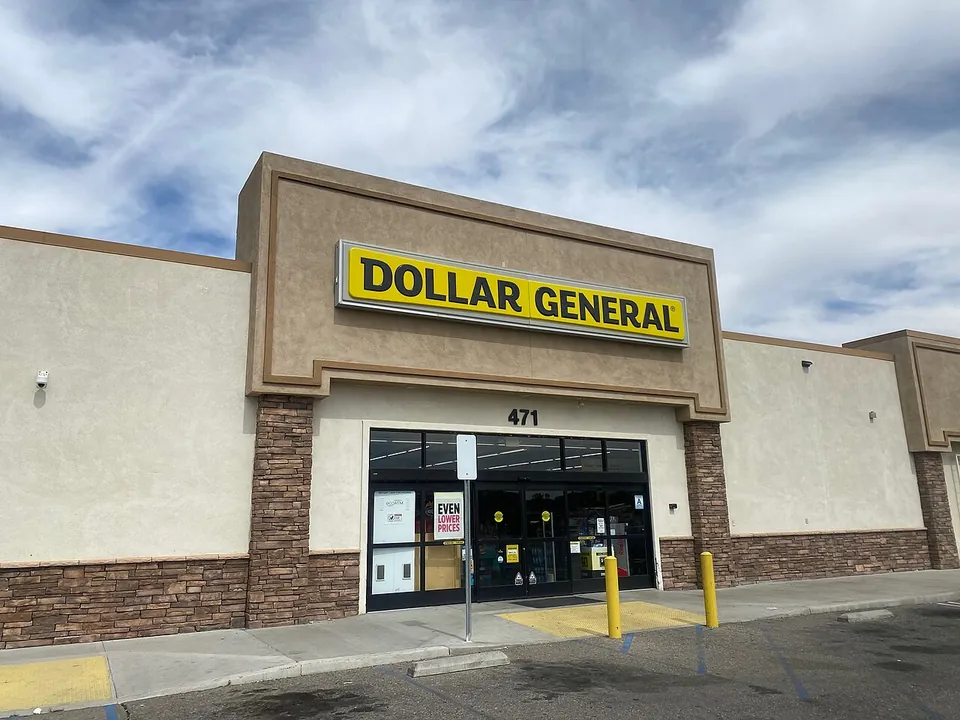
The FTC filed the lawsuit together with 20 states.1
The FTC says Dollar General operates more than 21,000 stores nationwide.2
Dollar General agreed to a separate New York settlement that includes donating goods to a regional food bank.3
Story
The allegations behind the Dollar General pricing caseThe Federal Trade Commission and 20 states have filed suit against Dollar General, alleging that customers were charged more than the prices shown on shelves, tags and advertisements.1 The complaint describes the alleged difference between displayed and charged prices as a practice affecting thousands of stores and says it extracted millions of dollars in unlawful overcharges.1 Those amounts are allegations in the complaint, rather than a finding described in the available facts, and the reported material does not give a total for the alleged overcharges.1 Dollar General shares fell about 4% after the FTC announced the lawsuit, a market reaction that followed the announcement but does not itself establish the complaint’s claims.1
The alleged conduct centers on a gap between a price customers can see before buying and the amount they are charged, according to the FTC and state allegations.12 The complaint says shoppers encountered prices above those posted on shelves, attached to price tags or presented in advertisements.1 It characterizes the alleged overcharges as unlawful and says they affected customers across thousands of Dollar General stores, but the facts provided do not specify a per-store total.1 The lawsuit therefore concerns both the accuracy of displayed prices and whether the amount charged at purchase matched those displays, as framed by the plaintiffs’ allegations.1
The scope of the retailer’s operations is relevant to the scale of the allegations: the FTC says Dollar General runs more than 21,000 stores across the country.2 That companywide store count is broader than the specific New York group covered by the settlement reported by The Guardian, which comprises more than 600 stores.23 The complaint’s reference to thousands of stores does not, in the facts available here, identify exactly which locations or transactions are included.1 The distinction matters when comparing the national lawsuit with state-level findings: the figures describe different scopes and should not be treated as counts of the same set of stores.123
The complaint also points to customer reports, saying Dollar General has received tens of thousands of complaints about charges exceeding advertised prices.1 That figure counts complaints received by the company, not a stated number of distinct customers, verified overcharges or court findings.1 The materials provided do not say how many complaints concerned the same purchase, how they were resolved or what share led to refunds.1 The complaints nevertheless form part of the case’s stated context alongside the allegations about store pricing and the asserted financial harm.1
A separate review cited by The Guardian offers examples of the size of some individual discrepancies: among 114 checked items in New York stores, some overcharges reached 26%, 38% and 39%.3 Those percentages describe the highest reported differences for individual items in that check, rather than an average across the items or a measure of all Dollar General sales.3 The account does not provide the number of items that had an overcharge, or say that these particular examples are the basis for the FTC’s nationwide allegations.13 Keeping the item-level examples separate from the broader complaint helps clarify that a limited check and a nationwide lawsuit do not report the same measurement.13
The Guardian also reported that Dollar General failed more than 4,300 government price-accuracy inspections across 23 states between 2022 and 2025.3 That count refers to failed inspections, not to the number of stores, items or customers affected, and the reported facts do not give the total number of inspections conducted.3 The inspection findings cover multiple states and years, while the New York settlement imposes measures on stores in that state alone.3 These records provide wider context for the pricing dispute, but they do not replace the allegations that the FTC and states must pursue in the lawsuit.123
The FTC filed the complaint in the U.S. District Court for the Middle District of Tennessee, placing the lawsuit in that federal court.2 Before filing, the FTC Commission authorized staff to proceed in a vote recorded as 2‑0.2 The agency and participating states allege that the pricing practices violate the FTC Act, the Gramm‑Leach‑Bliley Act and state laws.2 The available facts describe those provisions as the legal basis asserted by the plaintiffs; they do not report a court ruling resolving whether the laws were violated.2
FTC Bureau of Consumer Protection director Christopher Mufarrige said the company had betrayed the confidence of millions of American consumers and inflicted significant financial harm.1 His statement presents the agency’s view of the alleged impact, while the complaint’s account of unlawful overcharges remains an allegation in the case.1 The material supplied does not quantify the financial harm described by Mufarrige or identify a dollar amount for losses to individual shoppers.1 The reported tens of thousands of complaints and the complaint’s description of millions of dollars in overcharges are different measures, and neither fact provides a conversion between them.1
The New York matter is a separate measure of response: Dollar General agreed to a $1.875 million settlement that includes donating goods to a regional food bank in upstate New York.3 That agreement also requires comprehensive price-accuracy safeguards at more than 600 company stores in New York.3 The settlement amount is not described as the value of the alleged nationwide overcharges, and the facts do not say that the New York agreement resolves the FTC’s case.13 Taken together, the lawsuit, inspection record and state settlement show distinct forms of scrutiny, with different geographic coverage, counts and stated remedies.13
State investigators said the format of Dollar General receipts can make it difficult for shoppers to tell what they paid.3 That concern relates to how charges appear after a purchase, while the central lawsuit allegation concerns charges exceeding prices shown before purchase.13 The two issues bear on different points in a transaction: posted prices inform a shopper before buying, and receipt presentation affects how charges can be reviewed afterward.13 The facts provided do not establish how often confusing receipt formats occurred or how many customers could not identify a charge, so the investigators’ statement should not be read as a quantified finding.3
Structure
Who is connected to whom- 1Dollar General
- regulated by →Fact
- regulatory exposure →Fact
- partners with →Fact
- operates in →Fact
- customer of →Fact
History
How it came to this- 2022–2025Government price-accuracy inspectionsThe Guardian reported more than 4,300 failed inspections across 23 states.
- UndatedFTC and states file suitThe complaint alleges customers were charged more than prices displayed in stores and advertisements.
- After the announcementShares fallDollar General’s stock fell about 4%.
- Nowabout 4% Dollar General shares fell after FTC lawsuit announcement
Impact
Spreading outward, level by level- Level 1Customers and transactions
The complaint alleges that shoppers were charged more than displayed prices and that the practice extracted millions of dollars in unlawful overcharges; these are allegations, not a reported court finding.1
Fact - Level 2Company operations
The FTC says Dollar General operates more than 21,000 stores nationwide. The complaint refers to thousands of stores, but the available facts do not specify which locations or transactions are included.12
Fact - Level 3Legal case
The FTC and states allege violations of federal and state laws, and the complaint was filed in federal court in Tennessee. The available facts do not report a ruling on those claims.2
Fact - Level 4Market response
The reported share-price decline followed the lawsuit announcement, but does not establish whether the allegations are true.
Analysis
Sources
What each source supportsWritten by AI from the sources listed below: every fact was checked word for word against its source, and inference is marked apart. How we write