

Cepheid receives IVDR CE marking for its 13-pathogen Xpert Respiratory Panel
The panel is designed to test one nasopharyngeal swab for a range of viral and bacterial respiratory pathogens. Cepheid says shipments to countries accepting the CE mark will start in the coming weeks.
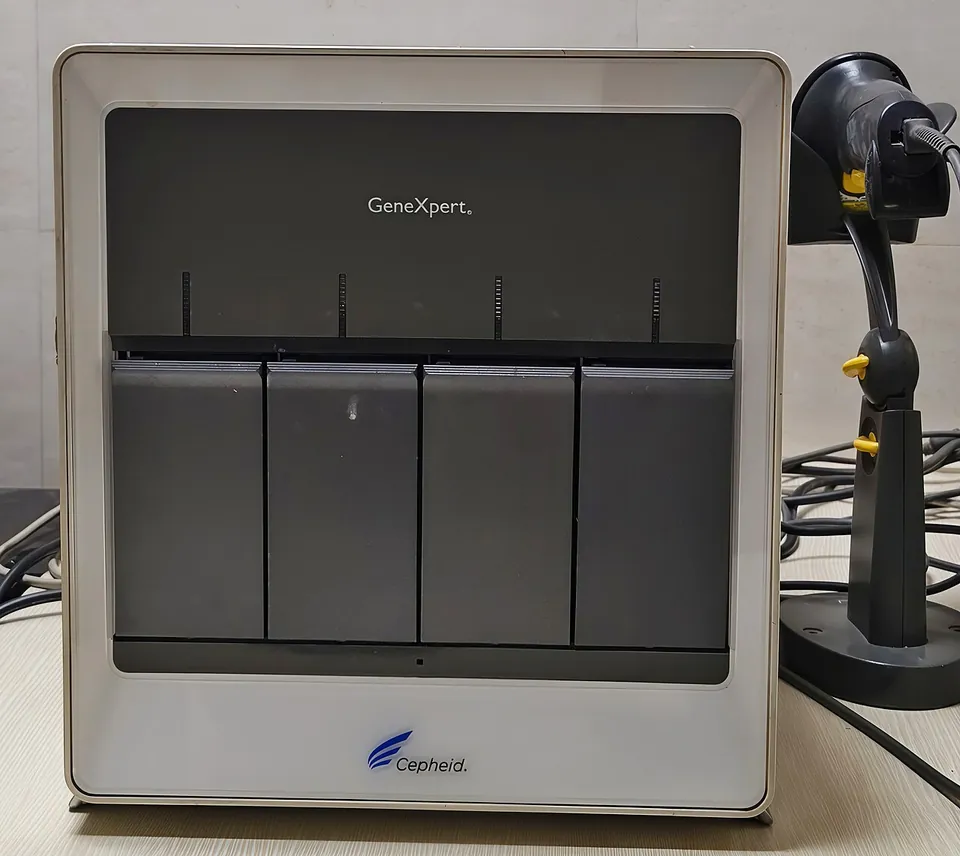
The multiplex PCR panel is designed to detect 13 common viral and bacterial respiratory pathogens from one nasopharyngeal swab.1
Cepheid says the panel requires less than one minute of hands-on time and provides on-demand answers.1
In a typical season, influenza causes up to 50 million symptomatic cases in Europe.1
Story
What the CE marking changes for Cepheid’s respiratory testCepheid announced that its Xpert Respiratory Panel had received CE marking under the In Vitro Diagnostic Regulation, or IVDR, a regulatory milestone for the test.1 The panel is a multiplex PCR test intended to identify 13 common respiratory pathogens, including viruses and bacteria, from a single nasopharyngeal swab.1 That design gathers results for multiple possible causes of respiratory illness from one sample rather than requiring a separate swab for each organism in the panel.1 Cepheid says it expects to begin shipping the product in the coming weeks to countries that accept the CE mark.1 The test’s scope and sample type mean the panel is designed to check for several potential causes of respiratory illness using one swab, while the CE mark applies in countries that accept it.1
The announcement establishes the CE marking and the planned near-term start of shipments, but gives no specific calendar day for their arrival.1 The company describes the panel as an aid to diagnosing suspected infectious respiratory-tract illness, used together with other clinicopathological considerations.1 Its stated purpose is therefore framed around supporting a clinical assessment, with the listed additional factors remaining part of the diagnostic context.1 The announcement does not provide country-by-country shipment dates or state how quickly each accepting country will receive the test.1 This means the planned start of shipping does not establish when the test will reach a particular country, and its intended role is to contribute to diagnosis alongside other clinical information.1
The panel operates on GeneXpert systems that are already in use, according to Cepheid, and providers can choose whether to run it for a given patient.1 The Spanish-language company release also reports the IVDR CE marking, while the German-language release describes delivery to accepting countries in the coming weeks.1 The French-language release likewise identifies compatibility with existing GeneXpert systems, consistent with the platform information in the announcement.1 Together, these releases describe the same central changes: regulatory marking for the panel and planned distribution where the CE marking is accepted.1 For providers with GeneXpert systems, the stated compatibility means the panel can be run on equipment already in use; the German-language release also describes delivery to countries accepting the CE marking in the coming weeks.1
Cepheid says the panel requires less than one minute of hands-on work and returns answers on demand.1 Those characteristics describe the time staff must actively handle the test and its availability for use when requested, rather than a stated total time to a result.1 The company’s respiratory portfolio also includes lower- and mid-plex testing choices, alongside the broader panel described in the announcement.1 Cepheid says clinicians can select targeted tests for one pathogen, mid-plex panels, or broader syndromic panels using the same GeneXpert system.1 The less-than-one-minute measure concerns hands-on work, while the portfolio offers clinicians different testing scopes on the same system; the release does not state a total result time.1
The choice of testing scope is presented as a clinical decision: a provider can select among the available approaches for an individual patient.1 Cepheid describes the arrangement as supporting diagnostic stewardship through a set of testing options on one GeneXpert platform.1 The company says identifying several possible viral and bacterial infections may help clinicians make informed treatment choices and use antibiotics responsibly.1 These are stated potential contributions of the panel; the announcement does not quantify changes in treatment decisions or antibiotic use.1 In practice, the described approach leaves test selection with providers and presents the broader panel as one option among choices intended to support diagnostic stewardship.1
Cepheid says choosing an appropriate test for appropriate patients at the appropriate time can support patient stratification, smoother workflows, and more effective use of healthcare resources.1 The statement describes intended operational and clinical benefits, but supplies no numerical estimate of savings, time reduction, or patient outcomes.1 The company also reports that published studies indicate rapid multiplex PCR can shorten the wait for results and may aid clinical management in hospitals.1 That account concerns findings from published studies as characterized by Cepheid; no study measurements or specific hospital results are given in the listed information.1 The claimed benefits concern both patient-level choices and healthcare workflows, but the cited information does not quantify how large any improvements might be.1
Christoph Martinaud, Cepheid’s Senior Director of Medical Affairs EMEA, said selecting an appropriate test for an appropriate patient mattered particularly as European health systems approached the respiratory season.1 He also said the CE marking reflected the company’s aim of turning ideas into practical impact and making diagnostic developments available to providers and patients.1 These remarks explain Cepheid’s stated rationale for the announcement, while the product information separately sets out the test’s intended use and operating features.1 The release identifies Cepheid as a Danaher company.1 Martinaud’s comments emphasize matching a test to a patient during the respiratory season, while the product description identifies providers and patients as those the company hopes to reach with diagnostic innovations.1
The clinical context is that acute respiratory infections commonly produce overlapping, nonspecific symptoms and are often grouped as influenza-like illnesses.1 A range of viral and bacterial pathogens can cause respiratory illness, making clinical assessment more difficult.1 In a typical season, influenza is associated in Europe with as many as 50 million symptomatic cases and between 15,000 and 70,000 deaths each year.1 The figures describe symptomatic cases and deaths attributed to influenza in the stated seasonal context; they are not estimates of all respiratory infections or outcomes.1 Overlapping symptoms and multiple possible causes help explain why clinical assessment can be difficult, while the influenza estimates show the scale of one illness in a typical European season.1
Children, older adults, and people with weakened immune systems face elevated risk of respiratory-infection complications and can require hospital care.1 Specific viral infections and bacterial co-infections are linked with more severe illness and unfavorable outcomes.1 Against this background, a panel that detects multiple viral and bacterial pathogens is intended to provide information relevant to clinical assessment, not to replace the other factors named for diagnosis.1 The announcement’s practical change is the CE-marked availability of this multi-pathogen test for planned shipment to accepting countries, while its clinical value is described by Cepheid in terms of potential support for care decisions.1 People at higher risk of complications may need hospital care, and the test is intended to aid diagnosis alongside other clinicopathological factors.1
Structure
Who is connected to whom- 1Cepheid
- part of →Fact
- operates in →Fact
- uses →Fact
- produces →Fact
- operates in →Fact
History
How it came to this- Announcement date not specifiedCE marking announcedCepheid announced that its Xpert Respiratory Panel received CE marking under IVDR.
- Coming weeks; calendar date not specifiedShipments plannedCepheid said the panel would begin shipping to countries that accept the CE mark.
- Now13 Pathogens the CE-marked Xpert Respiratory Panel is designed to detect
- Coming weeks; no calendar date specifiedWatch for the start of shipments to countries that accept the CE mark; the announcement does not specify which countries or country-by-country arrival dates.
Impact
Spreading outward, level by level- Level 1Clinical assessment
The test is intended to aid diagnosis of suspected infectious respiratory tract infection alongside other clinicopathological factors.1
Fact - Level 2Testing choices on GeneXpert
The panel runs on existing GeneXpert systems, and providers can select a test for each patient. Cepheid describes targeted single-pathogen, mid-plex, and broader syndromic options on the same system.1
Fact - Level 3Treatment decisions and antibiotic use
Cepheid says identifying multiple viral and bacterial infections may support informed treatment decisions and responsible antibiotic use; the supplied facts do not quantify those effects.1
Fact - Level 4Health-system effects
The company says selecting tests for the right patients at the right time can support patient stratification, workflow efficiency, and more effective use of healthcare resources. The supplied facts give no numerical estimate of these effects.1
Fact
Ahead
Checked automatically when due; the result goes to the track recordWatch for the start of shipments to countries that accept the CE mark; the announcement does not specify which countries or country-by-country arrival dates.
Sources
What each source supportsWritten by AI from the sources listed below: every fact was checked word for word against its source, and inference is marked apart. How we write