

Trump administration allocates over $5 billion in USDA loans to boost U.S. seafood processing
The America First Seafood Strategy combines new financing, regulatory streamlining, and a voluntary labeling scheme to expand domestic production, create jobs, and reduce reliance on foreign imports.
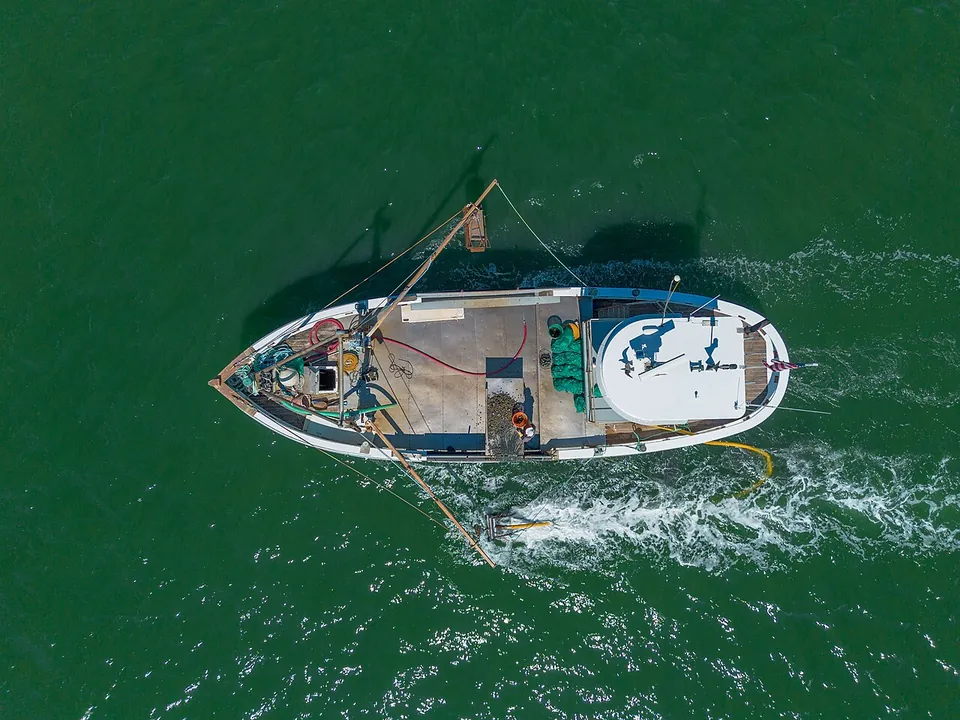
More than $5 billion in guaranteed USDA loans are being made available to expand modernized meat and seafood processing facilities.2
A voluntary “U.S.-Caught Seafood” designation is proposed to help consumers identify products harvested by American fishermen on U.S.-flagged vessels.1
Federal agencies will work to streamline permitting for shipyards, docks, cold storage, processing plants, and working waterfronts to lower barriers for private investment.1
Story
Details of the America First Seafood StrategyThe centerpiece of the strategy is the commitment of more than $5 billion in guaranteed USDA loans to modernize meat and seafood processing facilities.2 These loans are intended to expand capacity for domestic seafood producers and to support the construction of new processing plants.1 By providing low‑cost capital, the loans aim to lower the financial barrier for smaller operators who might otherwise be unable to upgrade equipment, thereby broadening the base of U.S. seafood processors.2 The infusion of capital is also expected to stimulate related supply‑chain businesses, such as packaging and logistics firms, creating a ripple effect of job growth in coastal communities.1
Federal agencies will simultaneously streamline permitting for shipyards, docks, cold storage, processing plants, and working waterfronts to lower barriers for private investment.1 Marine aquaculture permitting standards in federal waters will be clarified, further reducing regulatory uncertainty for growers.1 The combined effort to simplify approvals is designed to accelerate project timelines, allowing investors to move from planning to construction more quickly.1 Faster permitting also helps keep costs down, which can be passed on to consumers in the form of more affordable domestic seafood.1
NOAA will review its Fisheries Finance Program and Capital Construction Fund to eliminate obstacles that discourage fishermen from replacing aging vessels or investing in newer, safer American‑built boats.13 The review aims to encourage vessel reinvestment and to increase the fleet’s overall efficiency.1 Removing these barriers is expected to boost the number of modern, fuel‑efficient boats, which can lower operating costs and reduce environmental impacts.13 A more efficient fleet also means higher catch rates per vessel, supporting greater domestic supply without expanding overall fishing effort.1
A voluntary “U.S.-Caught Seafood” designation is proposed so consumers can identify products harvested by American fishermen on U.S.-flagged vessels.1 The Food and Drug Administration has issued draft guidance on how companies may use U.S.-origin statements and labeling for this designation.1 The guidance clarifies the criteria for eligibility, ensuring that only seafood caught by U.S. vessels can carry the label, which protects the integrity of the claim.1 By giving shoppers a clear marker, the label is intended to shift purchasing decisions toward domestically caught products, supporting American fishermen.1
Commerce Secretary Howard Lutnick emphasized that the strategy is designed to ensure the future of seafood is built by American fishermen, workers, and industry rather than foreign imports.1 He framed the initiative as a means to protect domestic jobs and coastal economies.1 Lutnick noted that keeping processing and harvesting within the United States helps retain more of the economic value generated by seafood, from catch to consumer.1 This domestic focus also aligns with broader national security goals by reducing reliance on foreign supply chains for a critical food source.1
The Office of the U.S. Trade Representative will coordinate with other agencies to counter unfair foreign trade practices and improve market access for American seafood exporters.1 These efforts are intended to reduce dependence on foreign supply chains and to expand export opportunities.1 By addressing trade barriers, the USTR aims to open new overseas markets for U.S. seafood, which can increase demand for domestically caught and processed products.1 Greater export sales also generate additional revenue for fishing communities, reinforcing the economic resilience of coastal regions.1
NOAA will continue to enhance the Seafood Import Monitoring Program using advanced tools to target high‑risk imports.3 Progress will be measured through increases in domestic seafood production, private capital investment, American jobs supported, and reduced reliance on foreign supply.1 Improved monitoring helps ensure that imported seafood meets safety and sustainability standards, protecting U.S. consumers and domestic producers alike.3 The data gathered from these tools can also inform future policy adjustments, creating a feedback loop that strengthens the overall strategy.1
A nationwide “Eat American Seafood” campaign will be launched to highlight the job, economic, food‑security, and nutrition benefits of domestic seafood consumption.3 The campaign is part of a broader communication effort to raise consumer awareness of the voluntary labeling and the strategy’s goals.1 Messaging will focus on how choosing U.S.-caught seafood supports local fishermen, creates jobs in processing plants, and contributes to a more resilient food system.13 Educational materials will also explain the environmental advantages of shorter supply chains, such as reduced carbon emissions from transportation.3
The approach builds on existing statutory authorities and programs instead of creating new spending streams, allowing the administration to act swiftly with resources already in place.3 By using established mechanisms, the administration aims to implement changes quickly and efficiently.3 Leveraging current programs also minimizes the need for additional congressional approval, keeping the focus on execution rather than new legislation.3 This efficiency is intended to deliver tangible benefits—such as increased processing capacity and job creation—within a short timeframe.3
Structure
Who is connected to whom- 1America First Seafood Strategy
- enables →Fact
- part of →Fact
History
How it came to this- 2024Strategy announcedThe Trump Administration unveiled the America First Seafood Strategy, outlining its goals and measures.
- 2024USDA loan commitment disclosedMore than $5 billion in guaranteed USDA loans were announced to modernize meat and seafood processing.
- 2024Permitting and regulatory actionsAgencies began streamlining permitting for shipyards, docks, cold storage, processing plants, and clarifying marine aquaculture standards.
- 2024Labeling guidance issuedThe FDA issued draft guidance for the voluntary “U.S.-Caught Seafood” label.
- Now$5 billion USDA loan commitment for seafood processing
Impact
Spreading outward, level by level- Level 1Processing capacity
The loan program is expected to expand domestic seafood processing capacity, allowing more producers to upgrade equipment.2
Fact - Level 2Job creation
Increased processing and related supply‑chain activities should generate additional jobs in coastal communities.
Analysis - Level 3Reduced foreign dependence
Higher domestic production and processing aim to lower reliance on imported seafood.1
Fact
Sources
What each source supportsWritten by AI from the sources listed below: every fact was checked word for word against its source, and inference is marked apart. How we write