

UK Inflation Reached 3.5% in September, Up from 3.1% in August
Consumer-price inflation rose as transport costs, particularly fuel, contributed to the increase. The report connected higher fuel costs to the Iran war and supply bottlenecks in the Strait of Hormuz.
The annual inflation rate increased by 0.4 percentage points from August to September.1
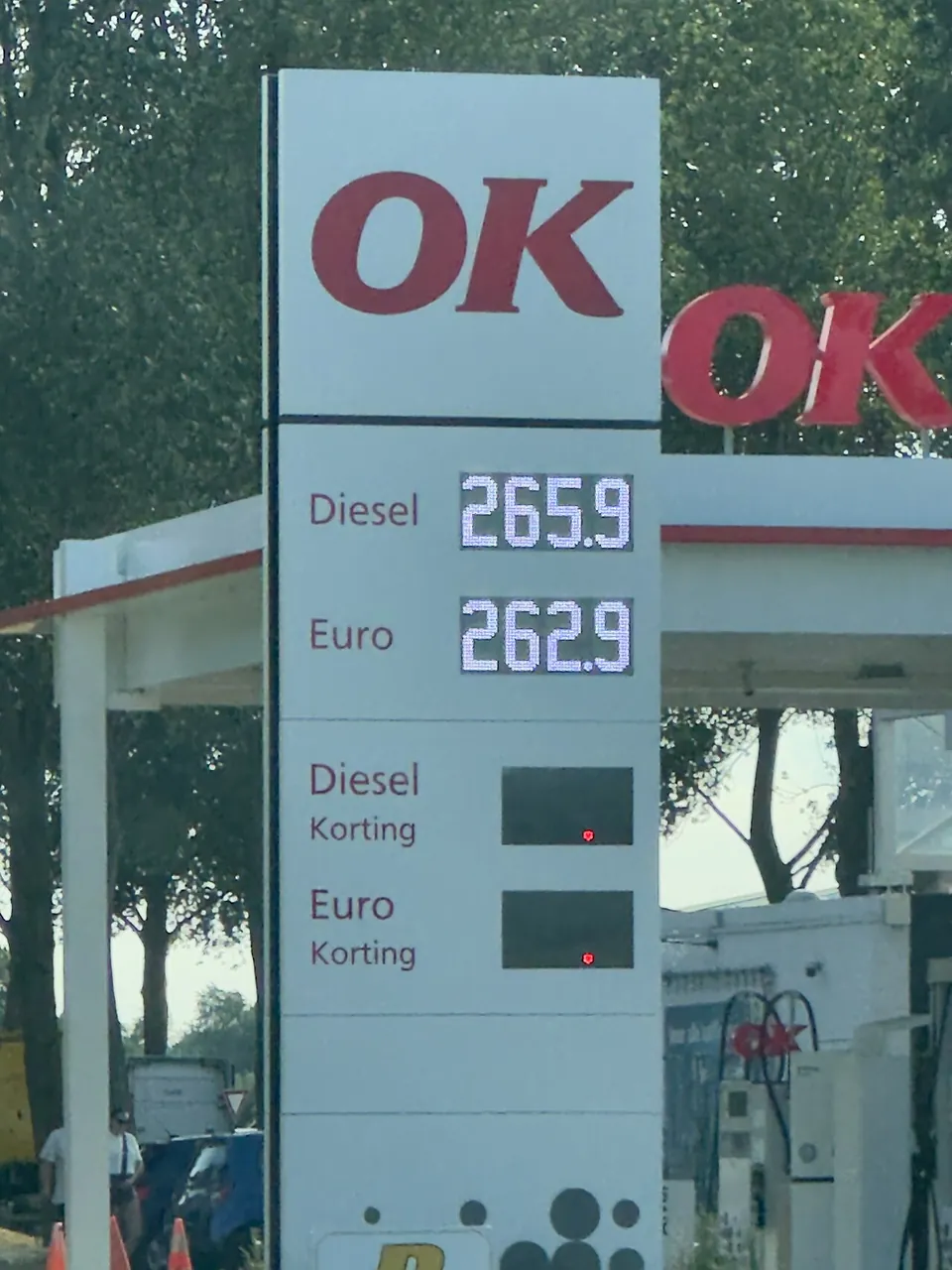
Motor fuel prices rose 30% in the year to September, compared with a 23% annual rise in August.1
Story
What September’s UK inflation increase showsUK consumer prices were 3.5% higher in September than a year earlier, compared with a 3.1% annual increase reported for August.1 That movement represents an acceleration in the annual inflation rate between the two reported months, rather than a comparison of September prices directly with August prices.1 A supported calculation puts the increase in the rate at 0.4 percentage points; that figure describes the difference between the two annual rates.1 The September reading also exceeded economists’ 3.4% expectation and was the highest reported since October of the previous year.1
The increase matters in relation to the Bank of England’s stated 2% inflation target, which September’s 3.5% rate exceeded.1 A supported comparison expresses the gap between the September rate and that target as 1.5 percentage points.1 The target comparison and the month-to-month change describe different things: one compares inflation with the Bank’s target, while the other compares September’s annual rate with August’s.1 The report also described the September figure as the highest in almost a year, consistent with its comparison to the previous October.13
“Some breathing space”Treasury chief John Healey, clickorlando.com
Transport made the largest contribution to the rise in inflation, and fuel prices were a particularly important part of that contribution.1 Motor fuel prices increased 30% over the year to September, against a 23% annual increase in August.1 Those percentages are annual changes in motor fuel prices, not the overall consumer-price inflation rates of 3.5% and 3.1%.1 The figures therefore show a faster annual rise in motor fuel prices in September than in August, alongside an overall inflation rate that also rose between those months.1
The report linked higher fuel costs to the Iran war and to bottlenecks in the Strait of Hormuz that constrained global oil and gas supplies.2 That account places the fuel-price increase within a wider supply context, but the reported inflation figures themselves measure UK consumer-price changes.12 The supplied explanation specifically connects the conflict and the Strait’s bottlenecks with pressure on global supplies, rather than describing a separate UK supply measure.2 The reported 30% motor-fuel increase and the transport contribution identify where price pressure was prominent in the UK figures; the supply account gives the report’s proposed wider context.12
The inflation measure described here is the UK consumer-price rate, reported as an annual comparison for September and August.1 The available figures identify transport and fuel as contributors, but do not give a count of households or businesses facing a particular price increase.1 The report’s separate reference to families and businesses comes from the Treasury chief’s comments about a forthcoming budget statement, not from a numerical count of those groups.3 The figures distinguish the broad consumer-price rate from the motor-fuel rate, so the 30% fuel increase should not be read as the rate for all consumer prices.1
Treasury chief John Healey said that the budget statement planned for the following week would aim to provide businesses and families with “some breathing space” from increasing living costs.3 That was a statement of the intended purpose of the budget announcement, not a reported measure of how much prices would change.3 The reported facts do not specify what policies the statement would contain or quantify the relief it might provide.3 The comments nevertheless identify businesses and families as groups Healey said the planned statement was intended to help with rising living costs.3
Attention also turned to the Bank of England’s next rate decision, scheduled for Nov. 5, with economists expecting an increase.4 The previous month, the Bank had kept its main interest rate at 3.75% while signalling that an increase might follow.5 Most economists expected the main rate to reach 4%, which was an expectation rather than a reported decision by the Bank.7 The inflation report was said to have strengthened market expectations of an increase the following month.2
Suren Thiru, chief economist at ICAEW, said the inflation rise made a rate increase in November more likely.6 If the expected increase went ahead, it would reverse the prior downward course of UK interest rates, according to the supported assessment.48 Before the U.S. and Israel attacked Iran in late February, UK rates had been declining from a 15-year peak of 5.25%.78 The proposed 4% level was an expectation for the Bank’s main rate, while 3.75% was the rate it had held the previous month; neither figure establishes the outcome of the scheduled decision.457
The comparison also extends beyond the UK: the U.S. Federal Reserve and the European Central Bank had recently increased their interest rates.8 Those decisions provide context for the international rate picture, while the UK’s September inflation figure and its next scheduled decision remain separate reported measures.148 Taken together, the facts describe an annual UK inflation rate that rose from August, stood above the Bank’s target, and was accompanied by stronger expectations of a UK rate increase.12 They also distinguish the observed September prices from the anticipated policy response: the inflation reading was reported, while the possible rate rise and its expected level remained forecasts.147
History
How it came to this- Late FebruaryU.S. and Israel attacked IranThe report linked higher fuel costs to the Iran war and Strait of Hormuz bottlenecks that squeezed global oil and gas supplies.
- Previous monthBank held its main rate at 3.75%The Bank held the rate while signaling that an increase could be coming.
- AugustAnnual inflation was 3.1%The September annual rate was reported against this earlier reading.
- SeptemberInflation rose to 3.5%The rate exceeded economists’ 3.4% expectation and the Bank’s 2% target.
- 2026-10-21Earlier signal highlighted the inflation jumpThe earlier signal said the 3.5% reading cemented rate-hike expectations.
- Now3.5% UK annual consumer-price inflation in September
- Nov. 5The Bank of England’s next rate decision was scheduled for this meeting. Economists expected a rise, with most expecting the main rate to reach 4%; these were forecasts, not a reported decision.
Impact
Spreading outward, level by level- Level 1UK consumer prices
The annual consumer-price inflation rate rose from 3.1% in August to 3.5% in September, above the Bank of England’s 2% target.1
Fact - Level 2Transport and fuel
Transport was the largest contributor to higher inflation, with fuel particularly affecting the increase; motor fuel prices rose 30% year over year.1
Fact - Level 3Global supply context
The report linked higher fuel costs to the Iran war and Strait of Hormuz bottlenecks that squeezed global oil and gas supplies.27
Fact - Level 4Bank of England policy expectations
The inflation figures strengthened expectations of a rate increase at the next meeting; an increase would reverse the earlier downward direction of UK rates.24
Fact - Level 5Families and businesses
Treasury chief John Healey said the following week’s budget statement would seek to give families and businesses “some breathing space” from rising living costs; the supplied facts do not quantify any relief.3
Fact
Ahead
Checked automatically when due; the result goes to the track recordThe Bank of England’s next rate decision was scheduled for this meeting. Economists expected a rise, with most expecting the main rate to reach 4%; these were forecasts, not a reported decision.
John Healey said the budget statement would seek to give businesses and families some breathing space from rising living costs; the supplied facts do not specify its policies or quantify relief.
Sources
What each source supportsWritten by AI from the sources listed below: every fact was checked word for word against its source, and inference is marked apart. How we write